Let’s address the elephant—or rather, the missing flock—in the room. Since 1970, North America has lost nearly 3 billion breeding birds. That’s roughly one in four birds just… gone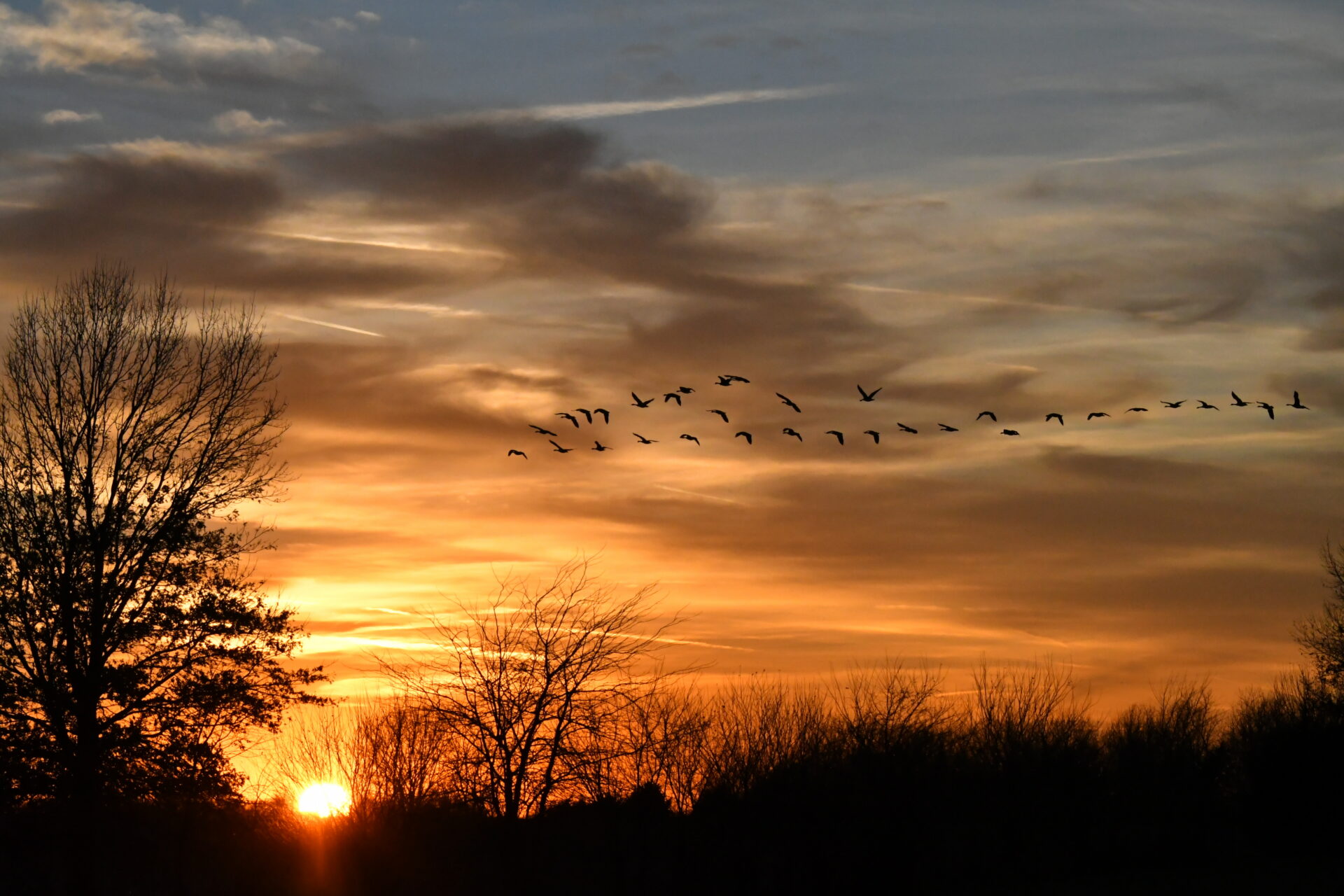
Before you start looking up how to knit tiny sweaters for mourning doves, take a breath. Saving birds doesn’t require quitting your job to become a full-time forest ranger. It actually comes down to tweaking a few daily habits—some of which involve drinking coffee and doing less yard work. (You’re welcome.)
Here is your crash course on why birds are having a rough time, and the seven dead-simple ways you can help them out starting today.
1. Stop Turning Your Windows Into Invisible Forcefields
The Hard Truth: Up to 1 billion birds die every year in the U.S. and Canada after flying straight into windows.
The “Why”: By day, your spotless glass reflects the trees, tricking birds into thinking they’re flying into a lovely forest instead of your living room. By night, city lights confuse migrating birds and pull them straight into skyscrapers.
The Fix: You don’t have to board up your house like a zombie apocalypse is coming. Just break up the reflection on the outside of the glass. Put up screens, apply window decals, or hang Acopian BirdSavers (basically vertical paracord strips). Pro-tip: Space markers 2 inches apart across the whole pane—if you leave big gaps, birds will assume they can thread the needle.
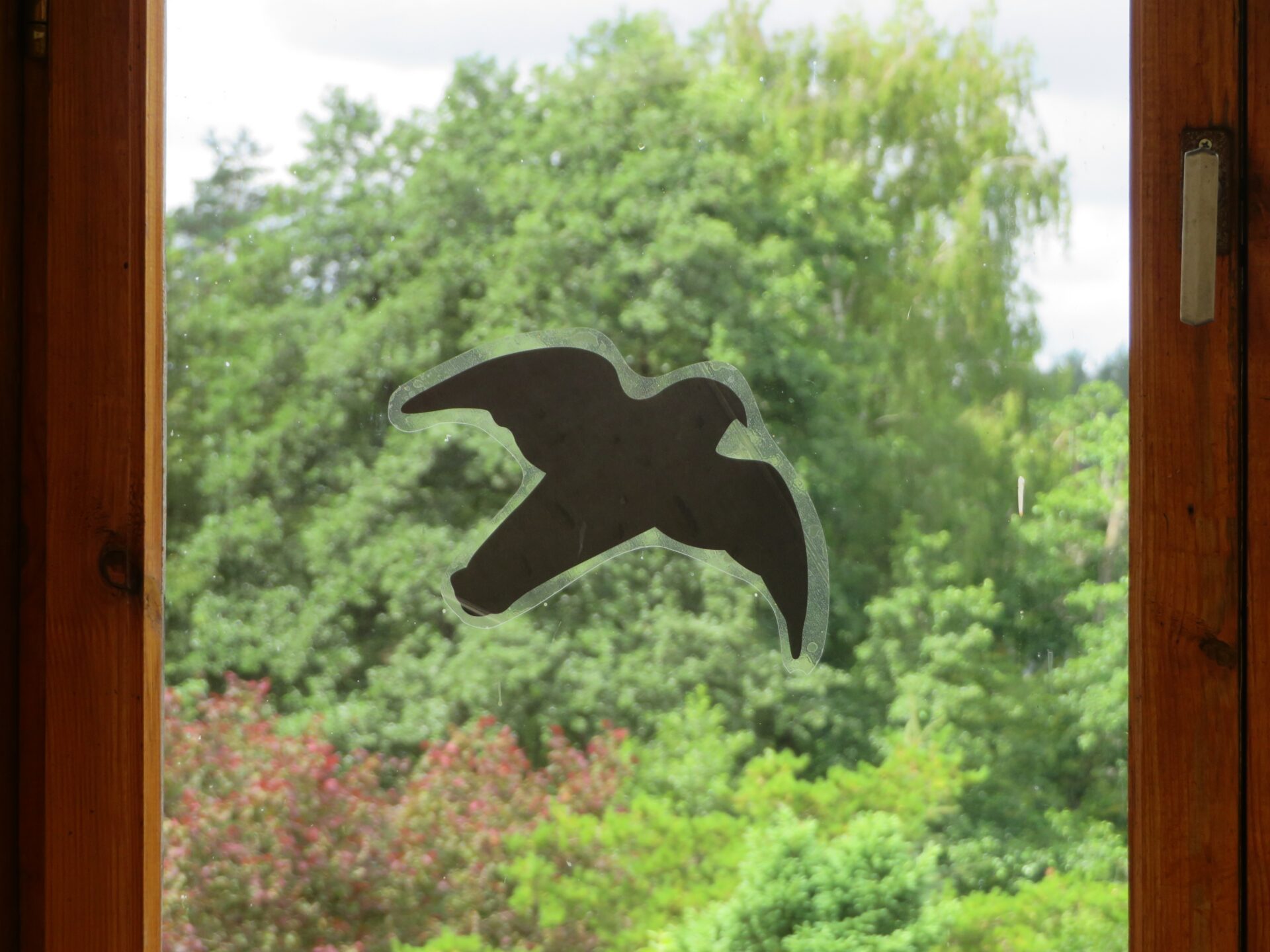
Window decals help prevent bird strikes
Level Up: Turn off unnecessary lights during spring and fall migration, or pitch a “window mural” contest to local businesses. Art and avian survival? Win-win.
2. Keep Mr. Whiskers Inside (Seriously)
The Hard Truth: Outdoor cats kill more than 2.4 billion birds a year in North America, making them the 1 direct human-caused threat to birds.
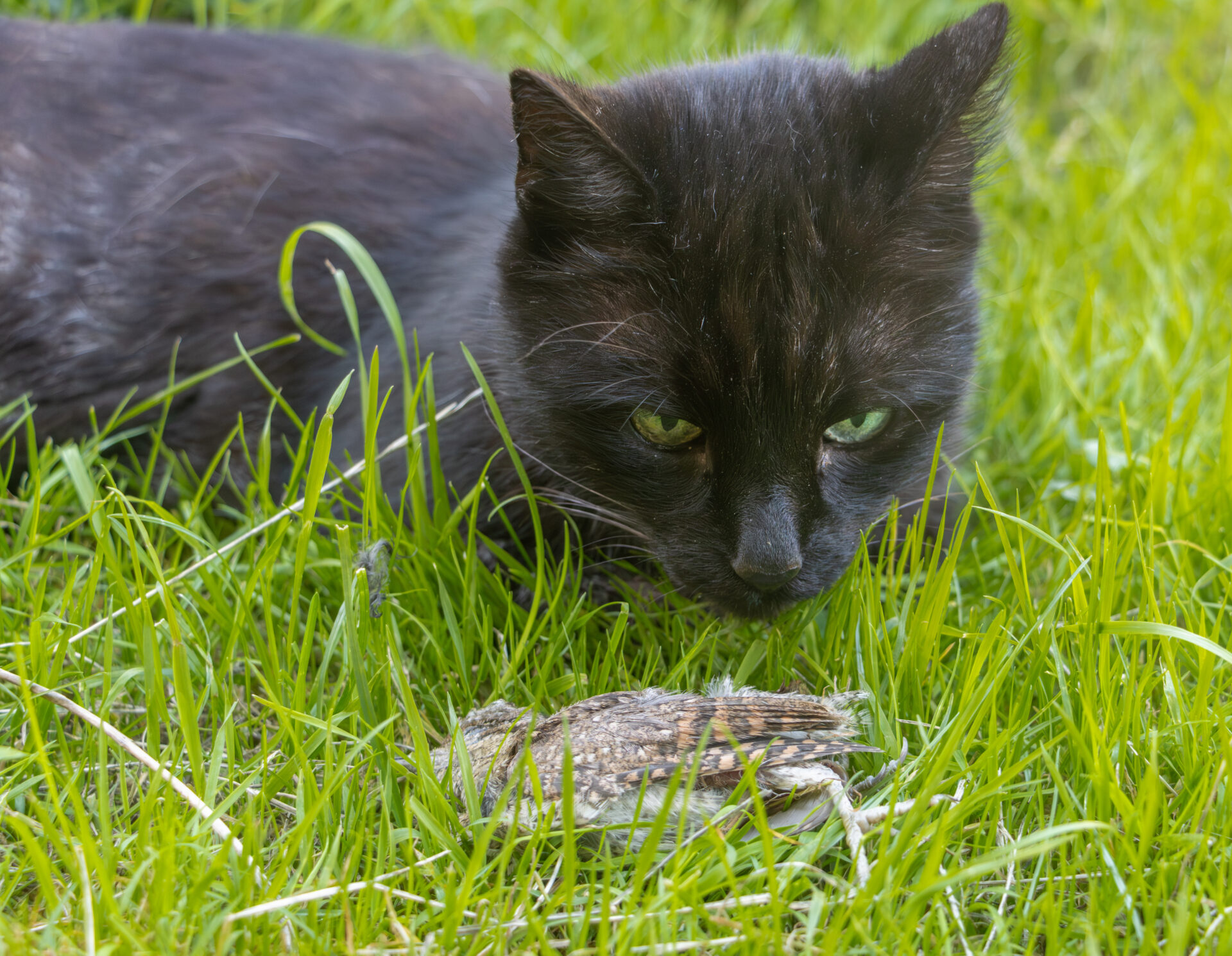
A cat lies in the grass with a caught bird
The “Why”: Over 110 million feral and pet cats roam the U.S. and Canada. Even if your tabby has a full bowl of salmon pâté waiting in the kitchen, instinct takes over the second a sparrow lands on the fence. They hunt for sport, not just snacks.
The Fix: Keep your cat indoors. Before you say “but he loves the outdoors!”—build a “catio” (an enclosed outdoor patio for cats) or train them to walk on a leash. Plus, indoor cats live way longer and don’t come home with mysterious vet bills.
Level Up: Advocate against unmanaged feral cat colonies near parks and wildlife areas. Outdoor unowned cats face brutal conditions (often living as little as two years) and account for over two-thirds of feline-related bird deaths.
3. Ditch the Boring Lawn for Native Plants
The Hard Truth: Over 10 million acres of U.S. land were paved over or developed between 1982 and 1997 alone, leaving migrating birds with nowhere to crash or grab a bite.
The “Why”: The U.S. has more than 40 million acres of lawn. To a bird, a manicured green turfgrass lawn is basically a concrete parking lot—zero food, zero shelter, and a whole lot of wasted space.
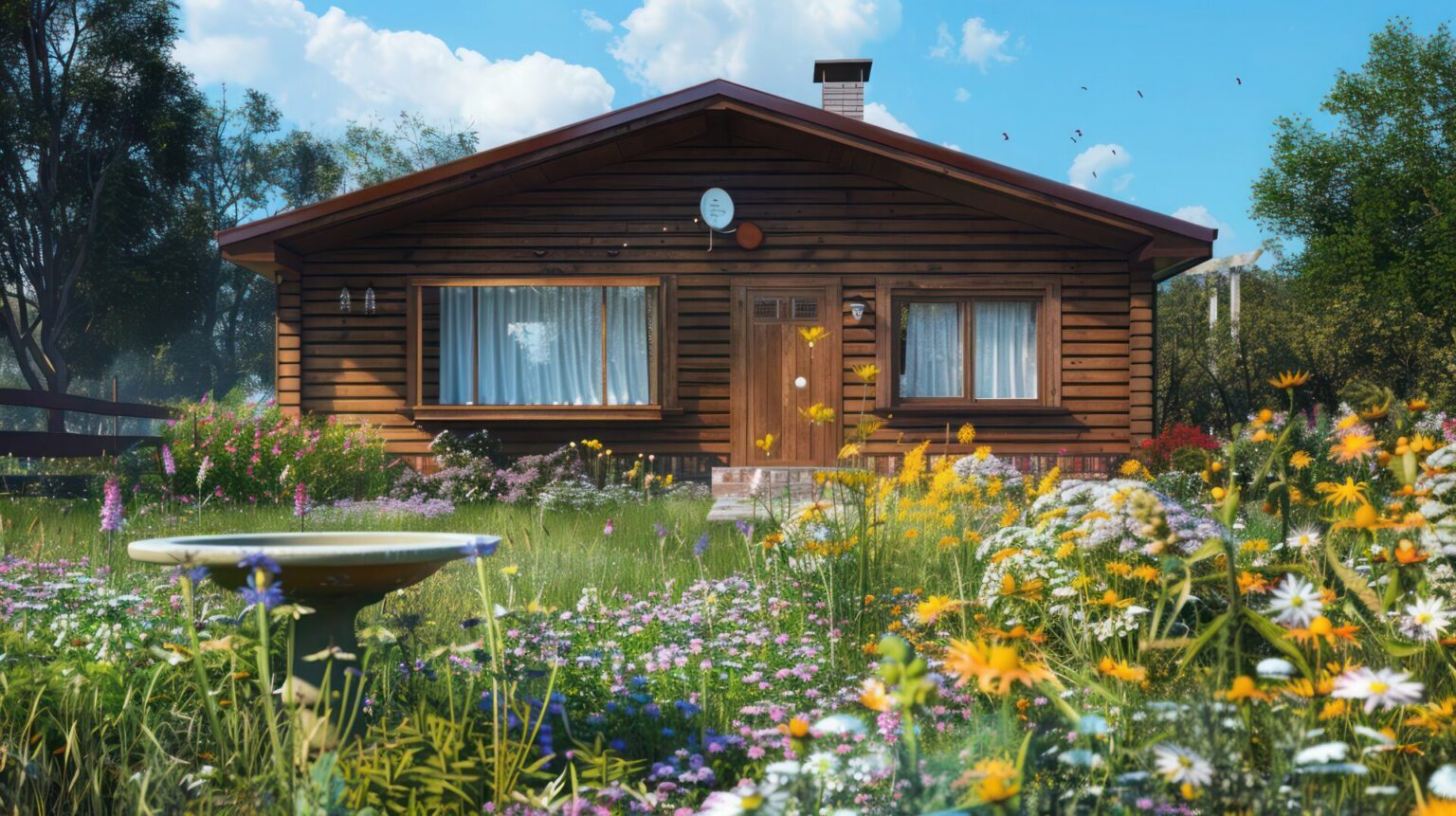
The Fix: Rip out some grass and plant native species. Native plants are adapted to your local climate (meaning less watering for you) and serve up an all-you-can-eat buffet of nectar, berries, seeds, and—most importantly—caterpillars and bugs for baby birds.
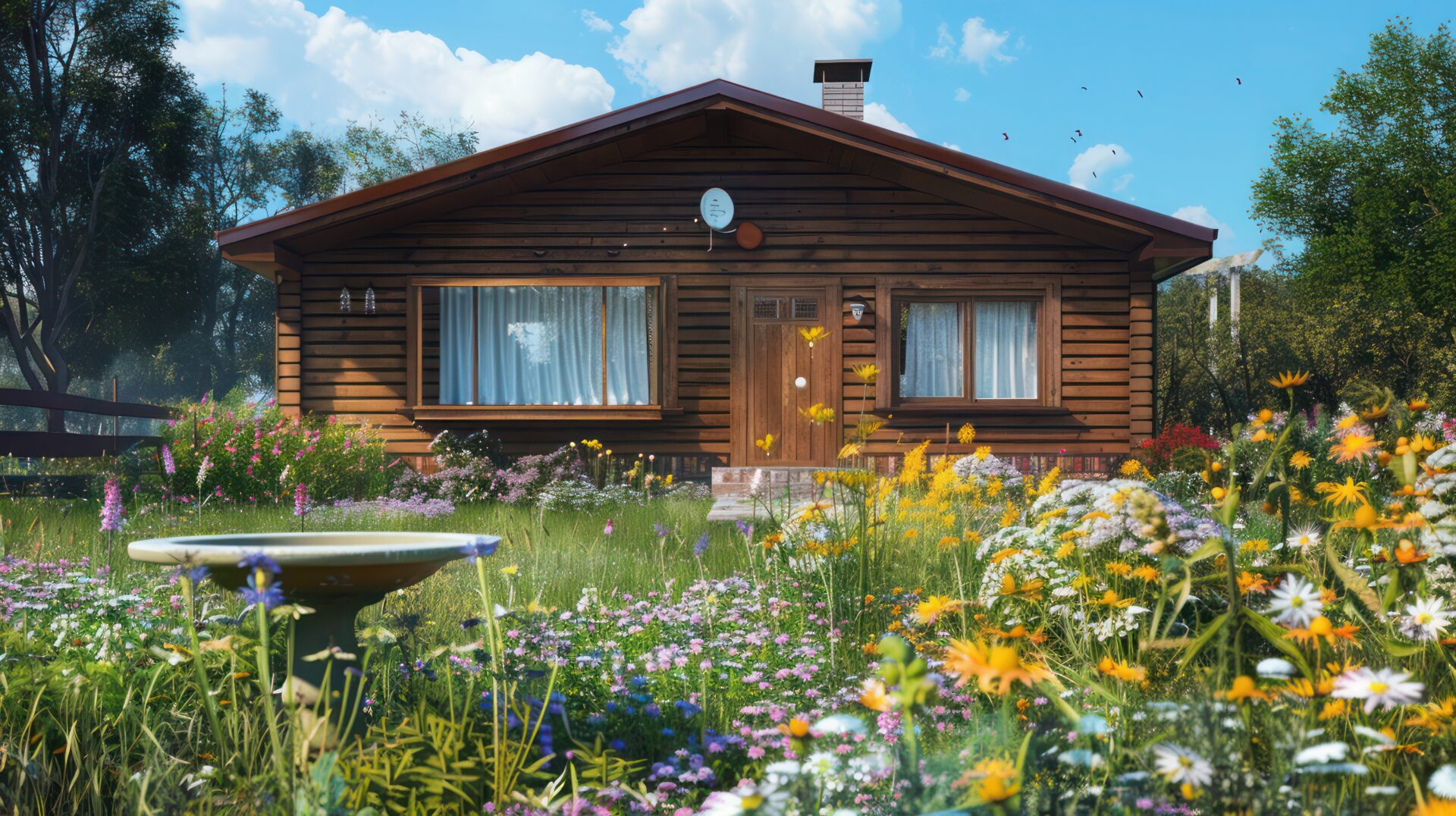
Wild flower yards protect and feed birds and other pollinators
Level Up: Look up native plant lists for your specific zip code and swap out one flower bed this season. Watch your yard transform from a sterile green carpet into a bustling avian Airbnb.
4. Break Up With Chemical Pesticides
The Hard Truth: Over 1 billion pounds of pesticides get dumped onto U.S. soil every year.
The “Why”: Widely used insecticides called neonicotinoids (“neonics”) are lethal to birds—just one treated seed can kill a songbird. Even common weed killers like glyphosate and 2,4-D wipe out the insect populations birds need to survive (and glyphosate is a probable human carcinogen, so nobody wins here).
The Fix: Put down the spray bottle in your yard and let a few dandelions live. When grocery shopping, buy organic when you can—nearly 70% of conventional U.S. produce carries pesticide residue.

Learn to enjoy the dandelions
Level Up: Contact your U.S. Representatives and tell them to cosponsor the Saving America’s Pollinators Act, which pushes the EPA to suspend neonics.
5. Upgrade Your Morning Coffee Habit
The Hard Truth: Three-quarters of the world’s coffee farms clear-cut forests to grow beans in full sun, wiping out critical winter real estate for migratory birds.
The “Why”: Sun-grown coffee requires heavy chemical fertilizers and leaves zero tree canopy. Traditional shade-grown coffee, however, grows beneath a lush forest roof that shelters over 42 species of North American migratory songbirds—like orioles, warblers, and thrushes—during the winter.
The Fix: Check your coffee bag. Look specifically for the Smithsonian Bird Friendly certification. Unlike vague “shade-grown” marketing labels, Bird Friendly is the gold standard: it guarantees strict forest-canopy habitats and 100% organic farming.
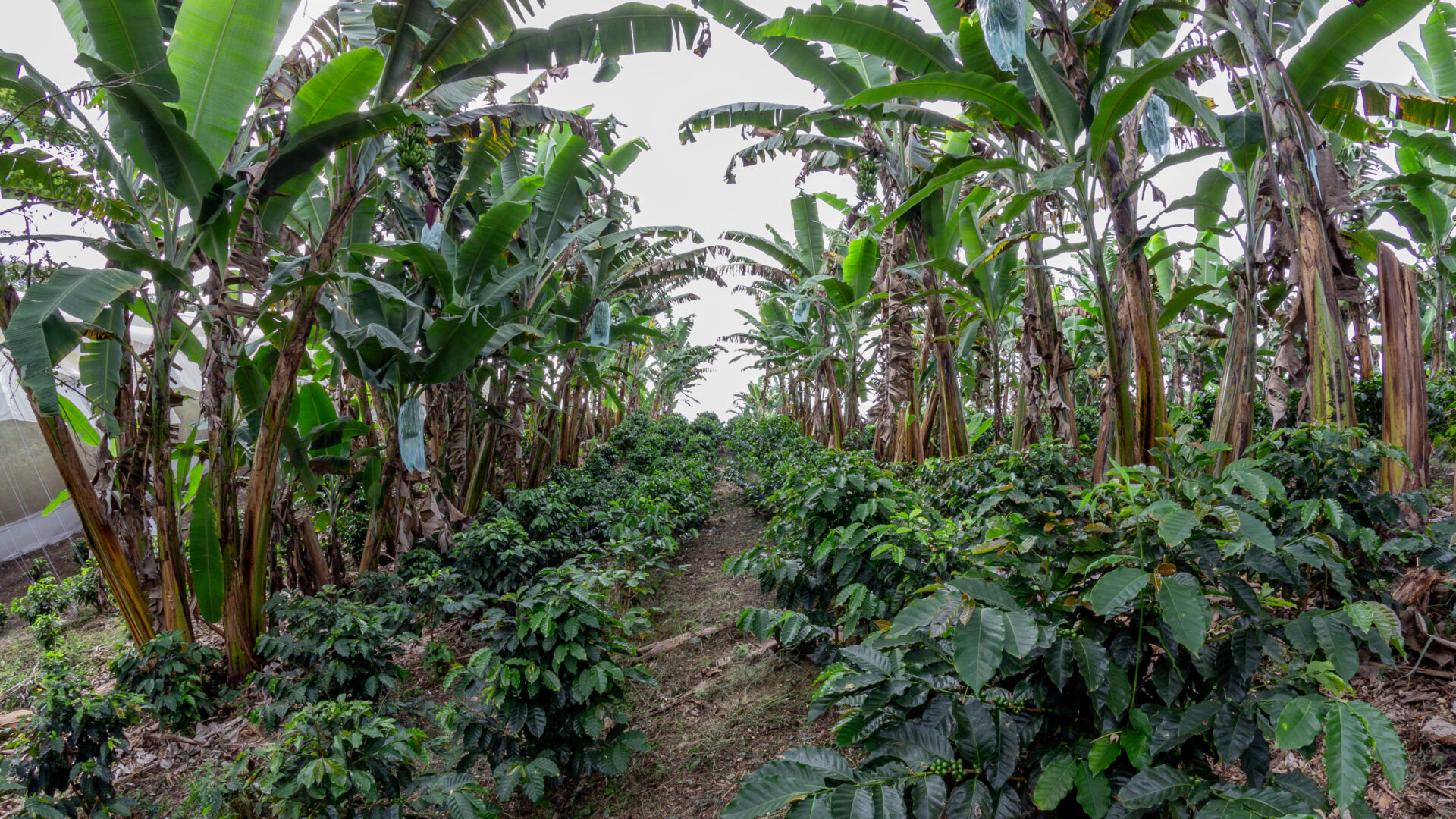
Coffee plants in the shade of the banana trees
Level Up: Bug your local coffee shop or grocery store manager to stock Bird Friendly beans. Saving birds by drinking better coffee is easily the least painful activism on this list.
6. Quit the Single-Use Plastic
The Hard Truth: Humans have racked up 4,900 million metric tons of plastic waste globally, and only 9% of it ever gets recycled.
The “Why”: Plastic takes over 400 years to break down. In the meantime, at least 80 species of seabirds mistake floating plastic for food. Researchers regularly find cigarette lighters, bottle caps, and toothbrushes inside the stomachs of dead albatrosses. It’s grim, and completely preventable.
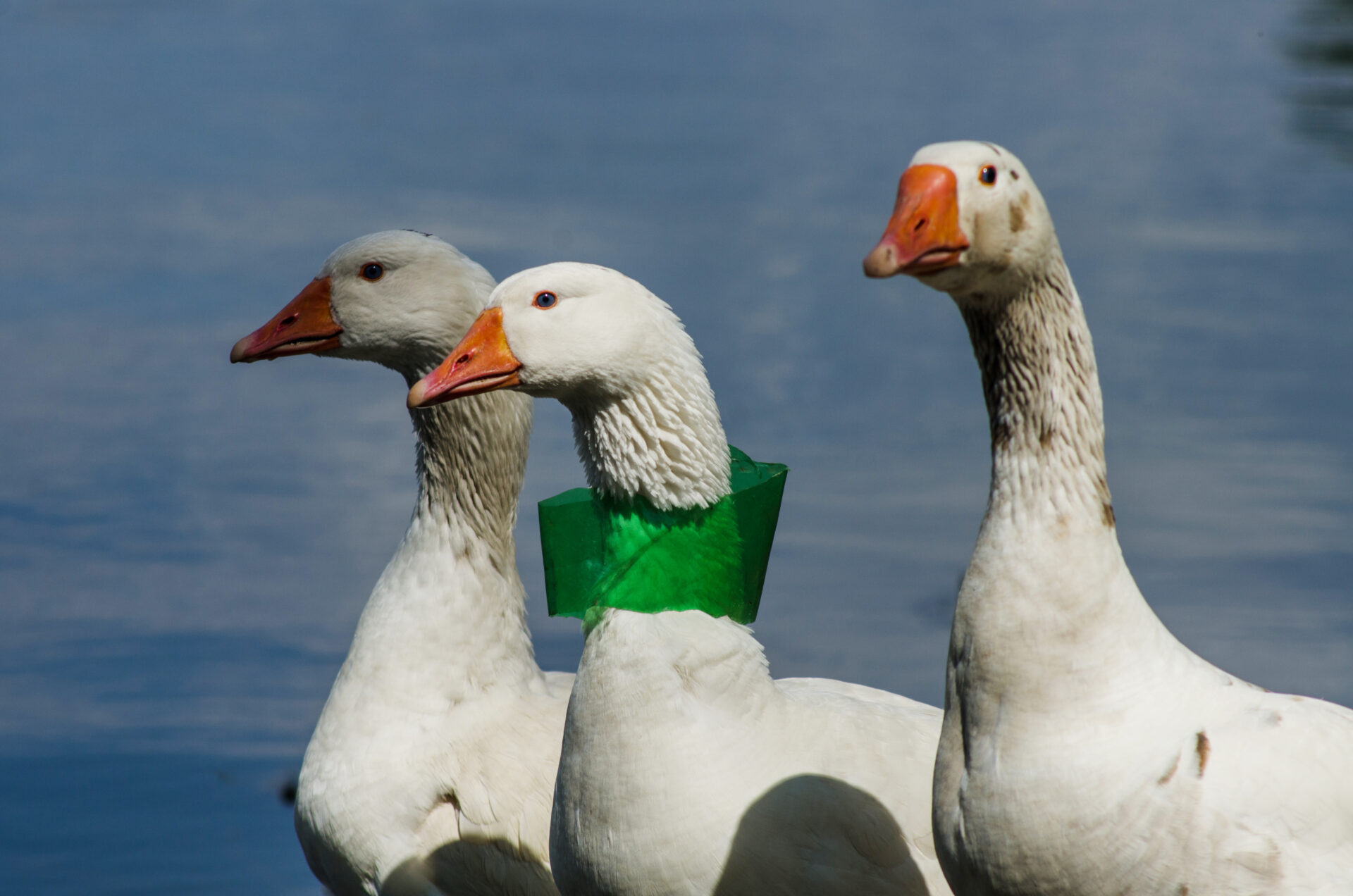
A piece of plastic garbage caught on goose’s neck.
The Fix: Bring your reusable tote bags, carry a refillable water bottle, and skip the disposable utensils and plastic wrap. If you do end up with disposable plastic, make sure it actually hits the recycling bin.
Level Up: Support local bans on plastic bags, straws, and Styrofoam, and give your business to restaurants ditching single-use plastics.
7. Become a Backyard Bird Spy (For Science!)
The Hard Truth: The Passenger Pigeon used to number in the billions—until humans hunted and cleared their habitat so fast they went completely extinct before anyone realized the math wasn’t mathing.
The “Why”: Tracking 10,000 bird species across the globe is impossible for scientists to do alone. Without real-time data on where birds are thriving or tanking, conservationists are flying blind.
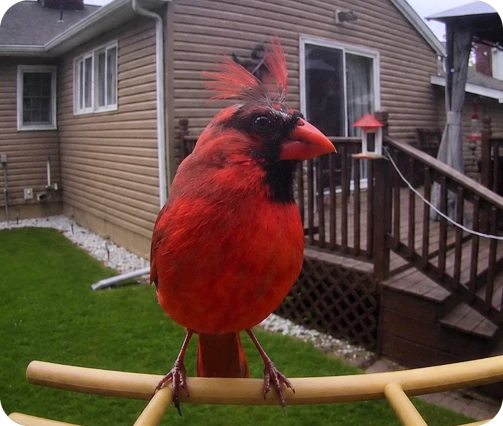
The Fix: Put your window-gazing to good use. Download free apps like eBird, or join seasonal counts like Project FeederWatch or the Christmas Bird Count. Logging the cardinals, blue jays, and hawks in your neighborhood gives scientists massive datasets to track population shifts.
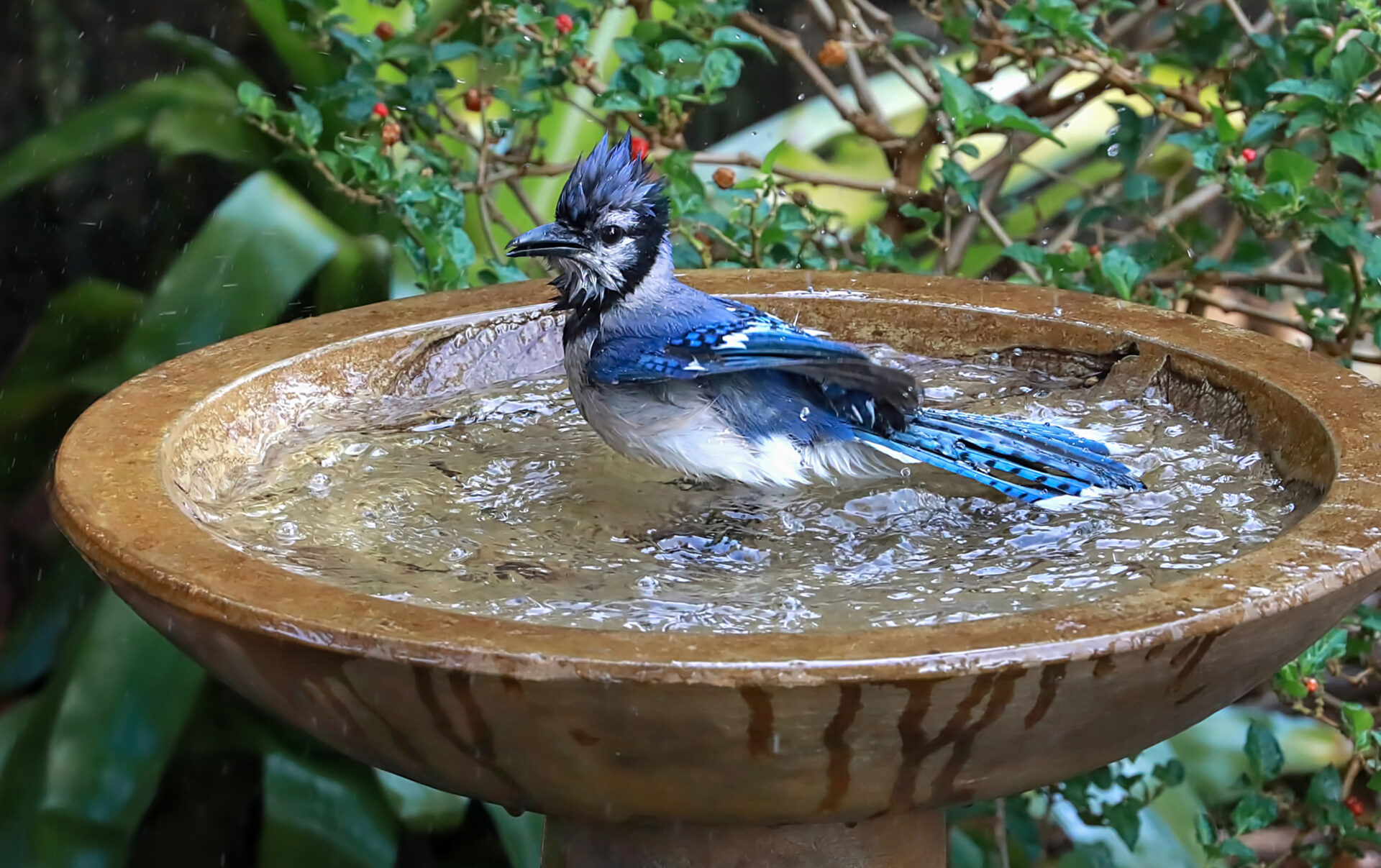
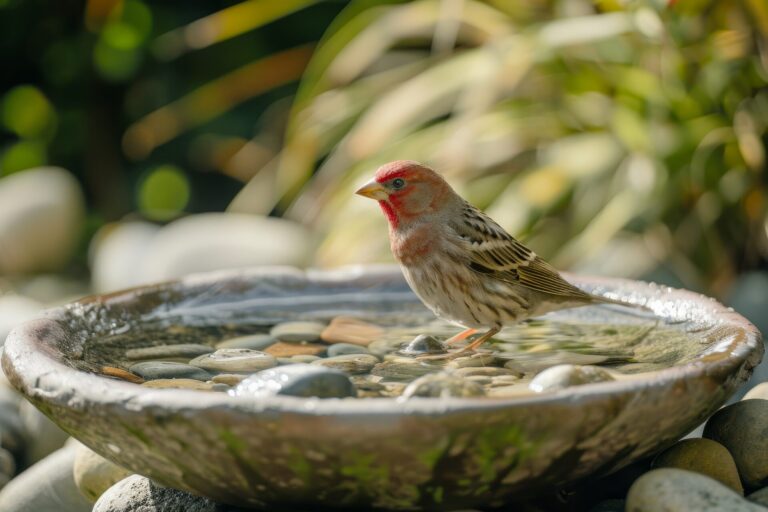
Looking down at a blue jay enjoying bathing and shaking the water off in a bird bath.
Level Up: Drag your friends, kids, or coworkers onto a weekend bird walk and submit a group checklist. Congratulations—you’re officially a citizen scientist.
The Bottom Line: You don’t have to nail all seven of these by Tuesday. Pick one—drink Bird Friendly coffee, slap some decals on your biggest picture window, or download eBird—and build from there. The birds won’t send you a thank-you note, mostly because they lack opposable thumbs, but your backyard will sound a whole lot better next spring.