The dark side of North America’s most common bird
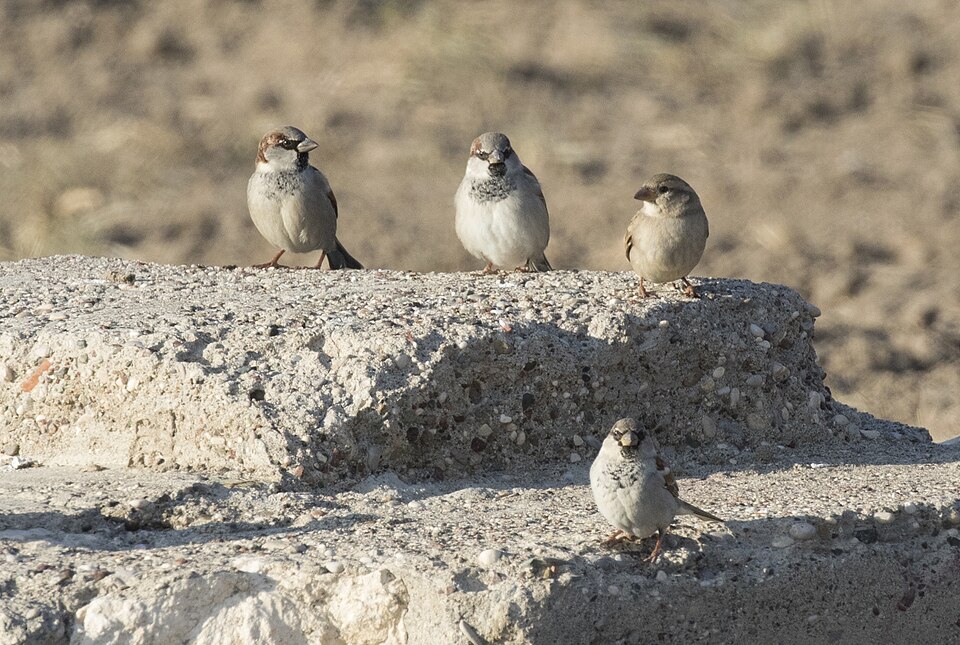
If you spend any time watching the birds in your backyard, you’ve undoubtedly seen them: a raucous, bustling flock of small, chunky brown birds dominating your feeders, nesting in your gutters, and filling the morning air with a non-stop chorus of loud, repetitive chirping.
Meet the House Sparrow (Passer domesticus).
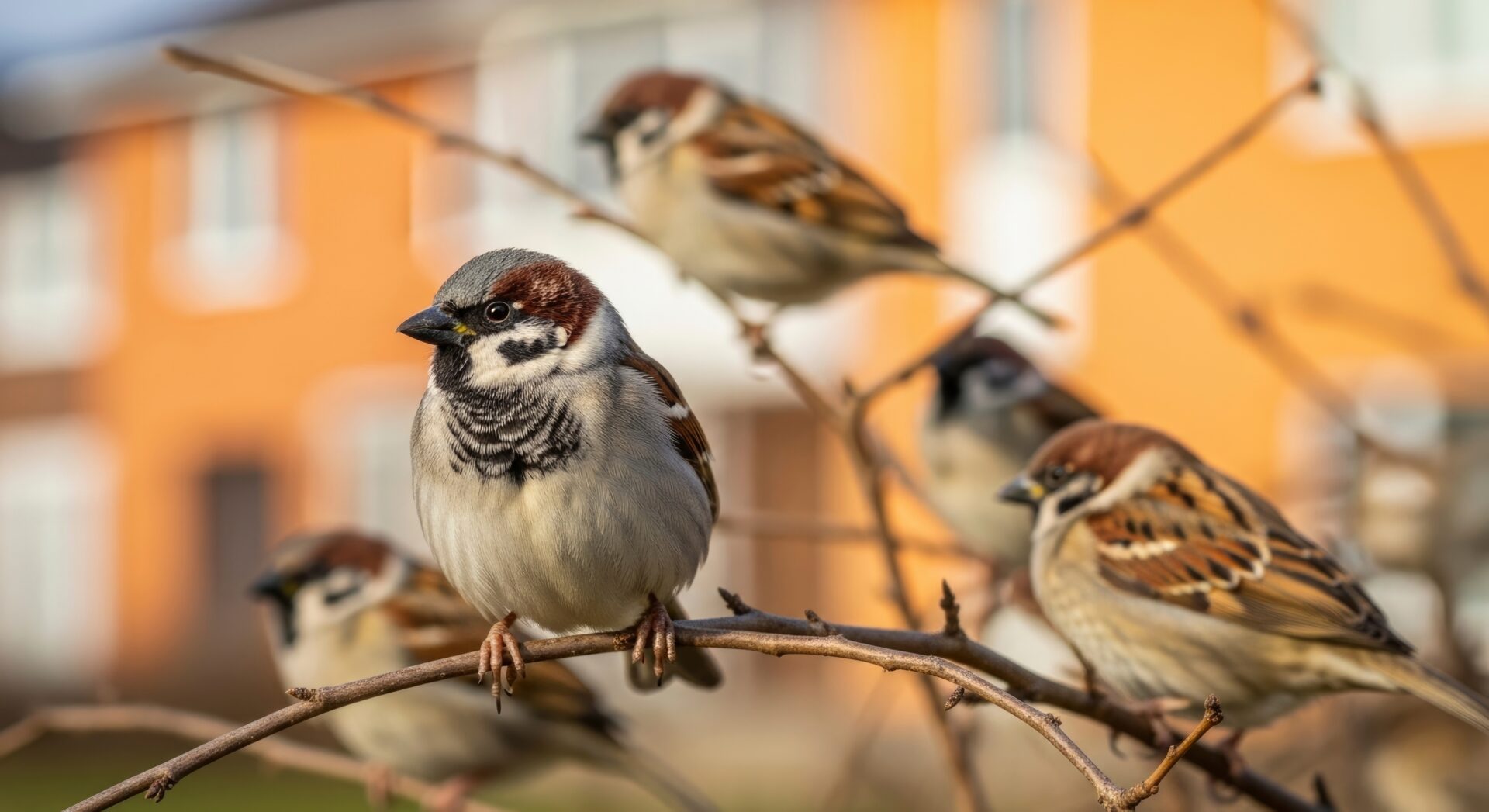
House sparrows love to gather in residential areas.
To the casual observer, they look like harmless, everyday backyard birds. But if you scroll through online birding forums or talk to seasoned bird watchers, you’ll quickly find that this little bird inspires an incredible amount of frustration—and even outright hatred.
Why do people hate House Sparrows so much? Is it just bad press, or do these tiny birds deserve their notorious reputation? Let’s dive into the history, behavior, and ecological impact of North America’s most controversial backyard bird.
1. They are an aggressive, invasive species
The number one reason for the widespread hostility toward House Sparrows is their status as an invasive species in North America.
House Sparrows are not native to the United States. Residents of Brooklyn, New York intentionally introduced them in 1851, hoping the birds would help control destructive moth populations in local parks. Unfortunately, whoever authorized the release didn’t realize that sparrows are primarily seed-eaters, not insect-hunters.
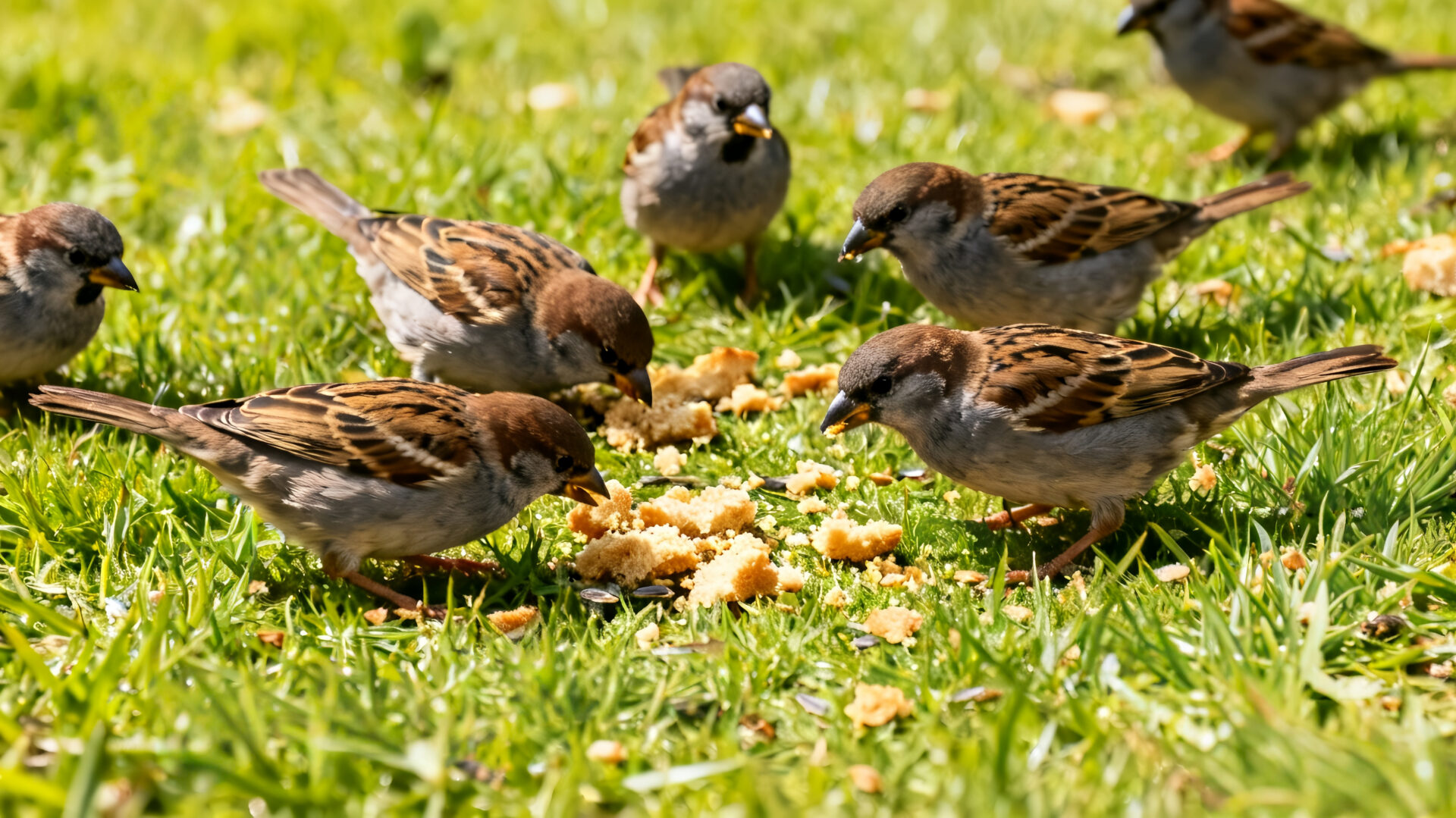
House sparrows will find food on ground, in garbage, and of course, in feeders
Without natural predators or competitors to hold them back, that small group of birds exploded across the continent. Today, billions of House Sparrows occupy almost every corner of North America, pushing out native wildlife in the process.
2. Fierce competition for native songbirds
For fans of native songbirds, the House Sparrow is public enemy number one. They are cavity nesters, meaning they look for hollow spaces—like old woodpecker holes or backyard birdhouses—to build their nests.
Because House Sparrows are incredibly aggressive and fiercely territorial, they routinely steal nesting sites from beloved native species, including:
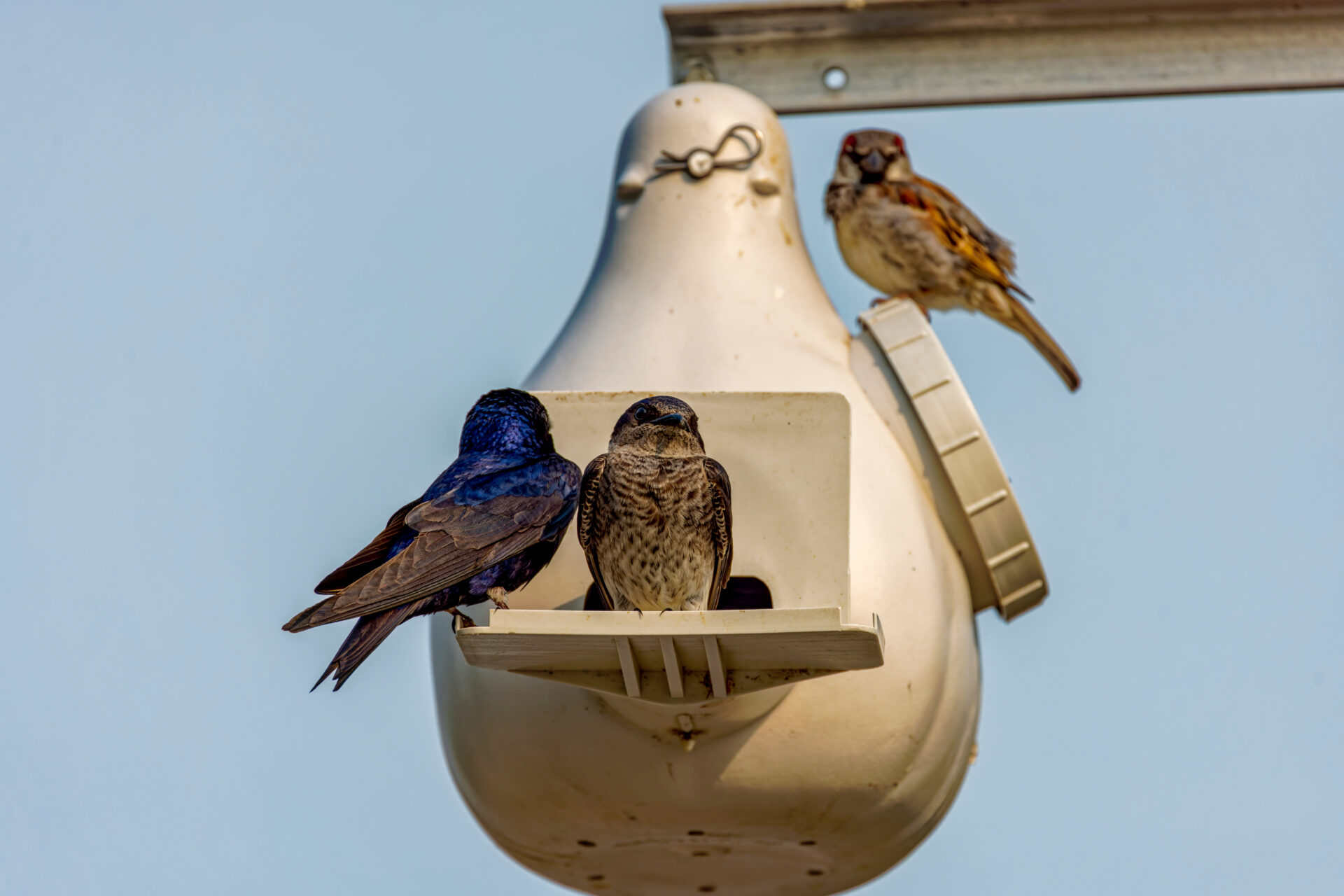
Purple martins and a house sparrow on a purple martin nest box
- Eastern Bluebird
- Tree Swallows
- Purple Martins
- House Wrens
Worse yet, their tactics are brutal. A House Sparrow won’t just wait for a birdhouse to become vacant; they will actively invade an occupied nest box, smash the eggs of native birds, kill the nestlings, and even attack and kill adult birds trapped inside the box. They will then build their own messy, dome-shaped nest right on top of their victims.
3. Bullying at the bird feeders
Have you ever put out high-quality birdseed hoping to attract colorful finches, cardinals, or grosbeaks, only to have a swarm of brown birds descend and clean it out in minutes?
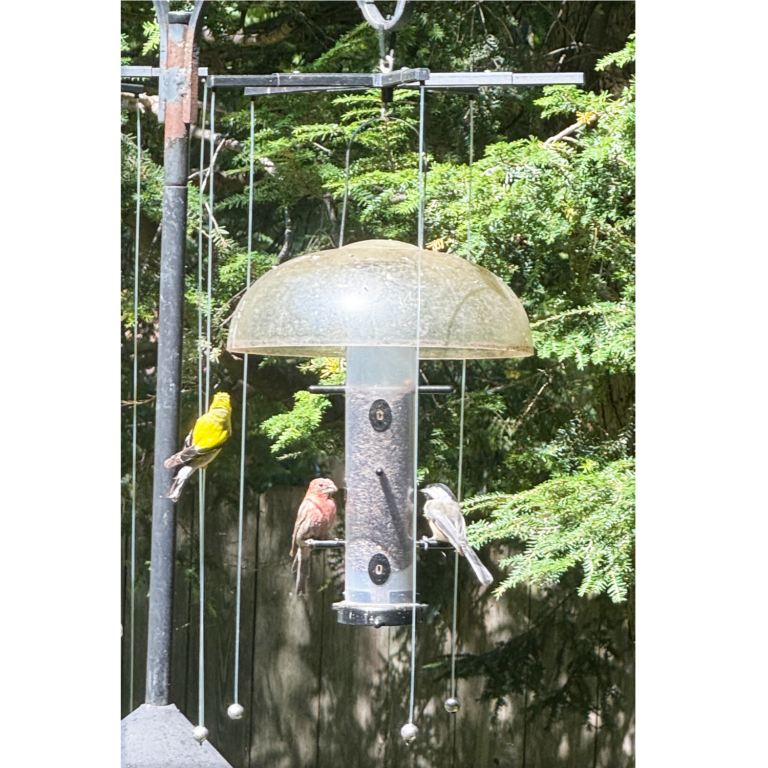
House Sparrows are notorious feeder bullies. They travel in large, highly coordinated flocks and use their sheer numbers and stout, powerful beaks to crowd out other birds. These birds will aggressively chase off smaller native birds like Chickadees and Goldfinches, dominating the perches until all the food is gone.
The non-native sparrows are also incredibly messy eaters. They will vigorously fling seed out of a hopper or tray feeder onto the ground looking for their favorite grains, leaving a massive waste pile that attracts rodents.
4. They love ruining human property
House Sparrows have evolved to live alongside humans—hence the name “House” Sparrow. They rarely live in deep, untouched forests; instead, they thrive in cities, suburbs, and farms.
Unfortunately, their preference for human structures makes them a major household pest. They love packing tight bundles of dry grass, feathers, and trash into:
- House gutters and downspouts (leading to water damage and clogs)
- Dryer vents and AC exhaust pipes (creating severe fire hazards)
- Gaps in roof shingles and siding (causing structural damage)
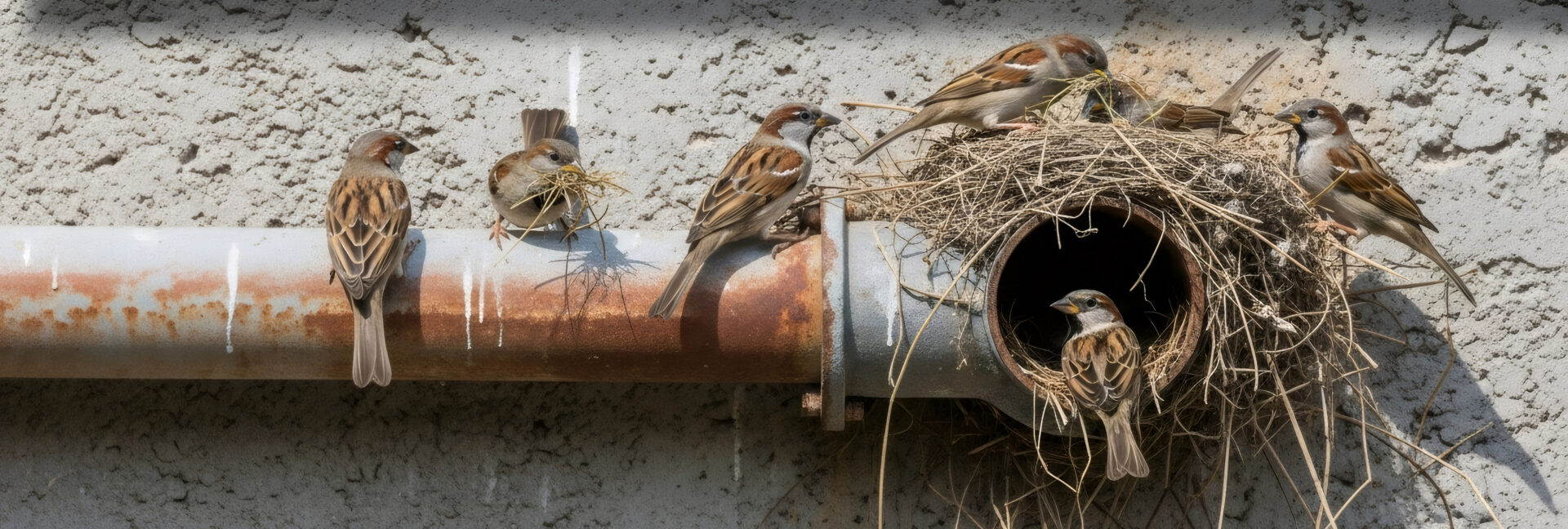
This drainage pipe looks like an attractive place for house sparrows to nest, until the nest blocks your drainage.
Their loud, unmelodic cheep-cheep vocalizations can also become incredibly irritating when a flock of fifty birds decides to roost in the bushes right outside your bedroom window at 5:00 AM.
Are House Sparrows protected by law?
Unlike almost all other backyard birds, House Sparrows are NOT protected by federal law in the United States. Because they are an invasive species, they are excluded from the Migratory Bird Treaty Act. This means it is entirely legal for homeowners to remove their nests, discard their eggs, or humanely trap them to protect native birds.
How to discourage House Sparrows in your yard
If you want to take your backyard back from these feathered bullies, you don’t have to give up bird watching entirely. You just need to change the rules of the game:
- Switch Your Seed: House Sparrows love cheap filler seeds like cracked corn, millet, and milo. Switch your feeders to safflower seed, nyjer (thistle), or whole peanuts—native birds love them, but House Sparrows find them difficult or unappealing to eat.
- Use Sparrow-Resistant Feeders: Swap out open tray or hopper feeders for weight-sensitive feeders that close when a heavy bird (or a crowd of sparrows) lands on them. You can also use tube feeders with tiny perches that sparrows struggle to grip.
- Install Sparrow Deterrents on Birdhouses: If you manage a bluebird trail, use a Sparrow Spooker (a device with shiny, dangling monofilament ribbons) on the roof of the nest box such as Sparrow-B-Gone!. Native birds adapt to it quickly, but it terrifies House Sparrows and keeps them away from the entry hole.
What do you think?
Do you view the House Sparrow as a resilient survivor just doing what it takes to live, or as a destructive pest ruining your backyard birding experience? Let us know your thoughts and your best sparrow-busting tips!