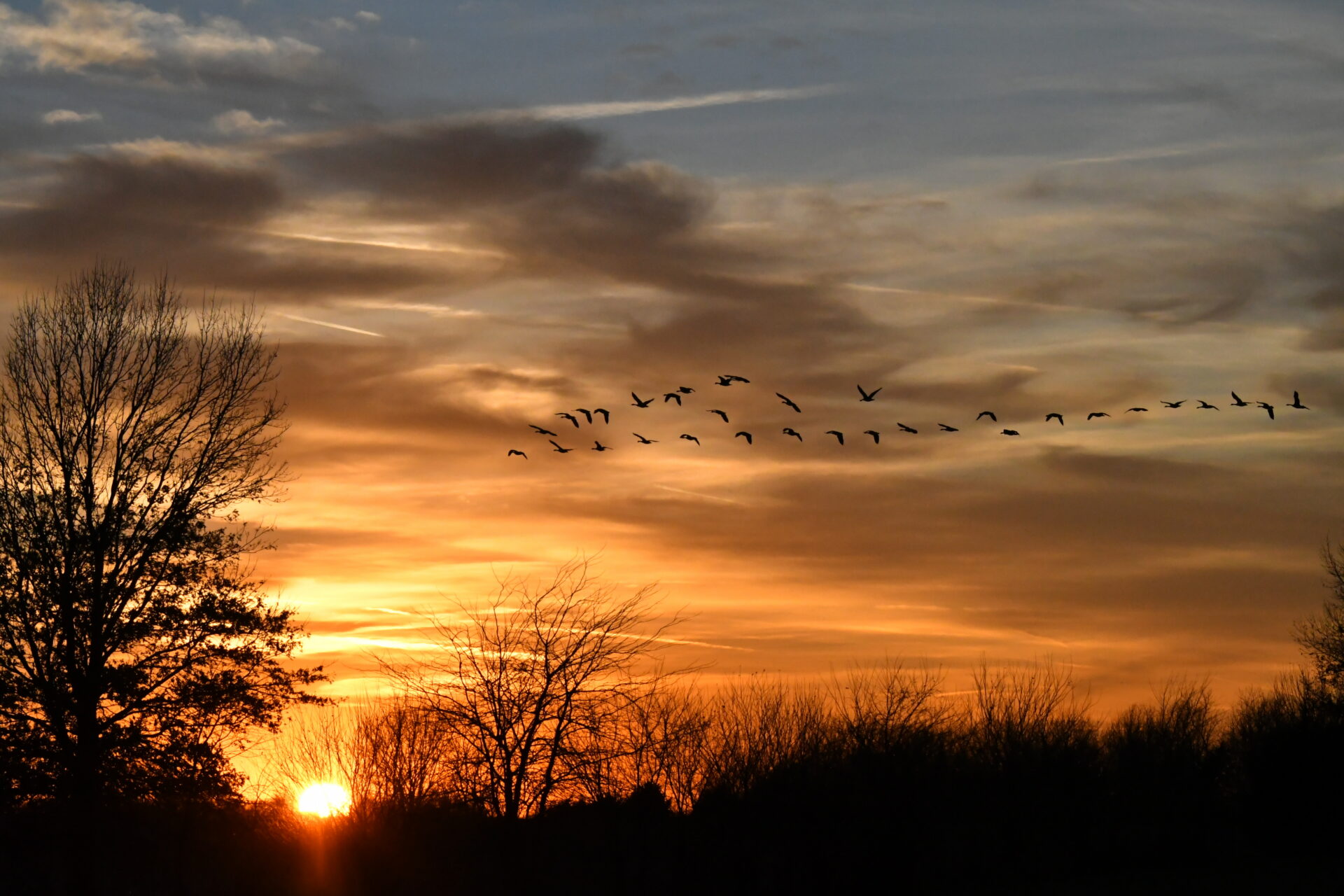
As autumn approaches, billions of birds across North America prepare for one of nature’s most incredible journeys. Songbirds, warblers, thrushes, and waterfowl take to the night skies, relying on the stars, the moon, and Earth’s magnetic field to navigate south.
However, as they pass over urban and suburban centers, bright artificial light casts a dangerous trap. The national “Lights Out” initiative aims to give migrating birds safe passage—and taking part is as simple as flipping a switch.
Why do birds migrate at night?
Over 70% of North American migratory bird species travel under the cover of darkness. Flying at night offers several distinct advantages:
- Cooler Temperatures: Prevents overheating during strenuous long-distance flights.
- Calmer Air: Smoother atmosphere reduces turbulence and saves vital energy.
- Predator Avoidance: Fewer hawks and daytime predators are active after dark.
To navigate, birds rely on celestial cues. Artificial light from glowing skyscrapers, bright porch fixtures, and decorative outdoor spotlights disorients them, pulling them off course into brightly lit urban areas.
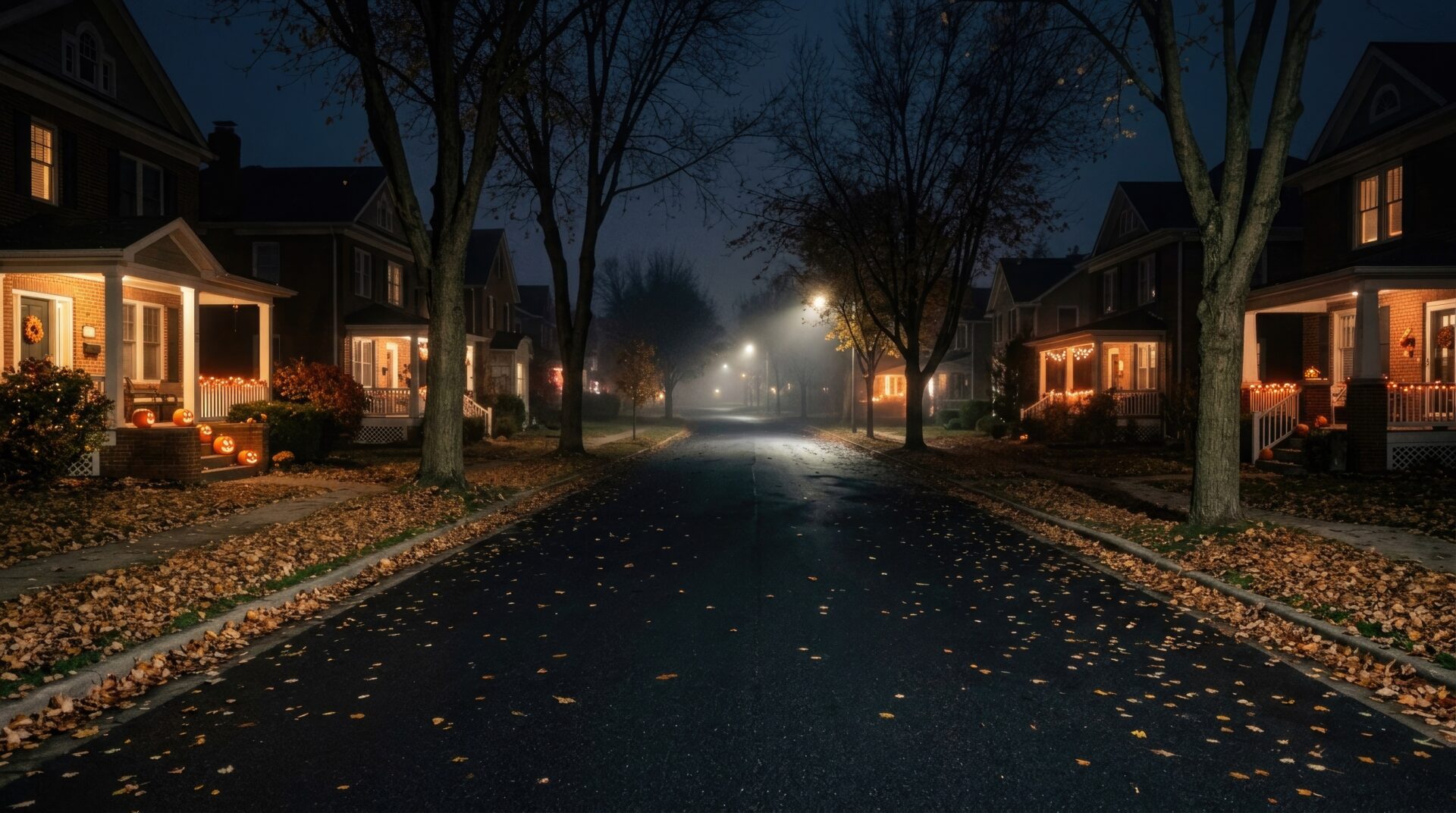
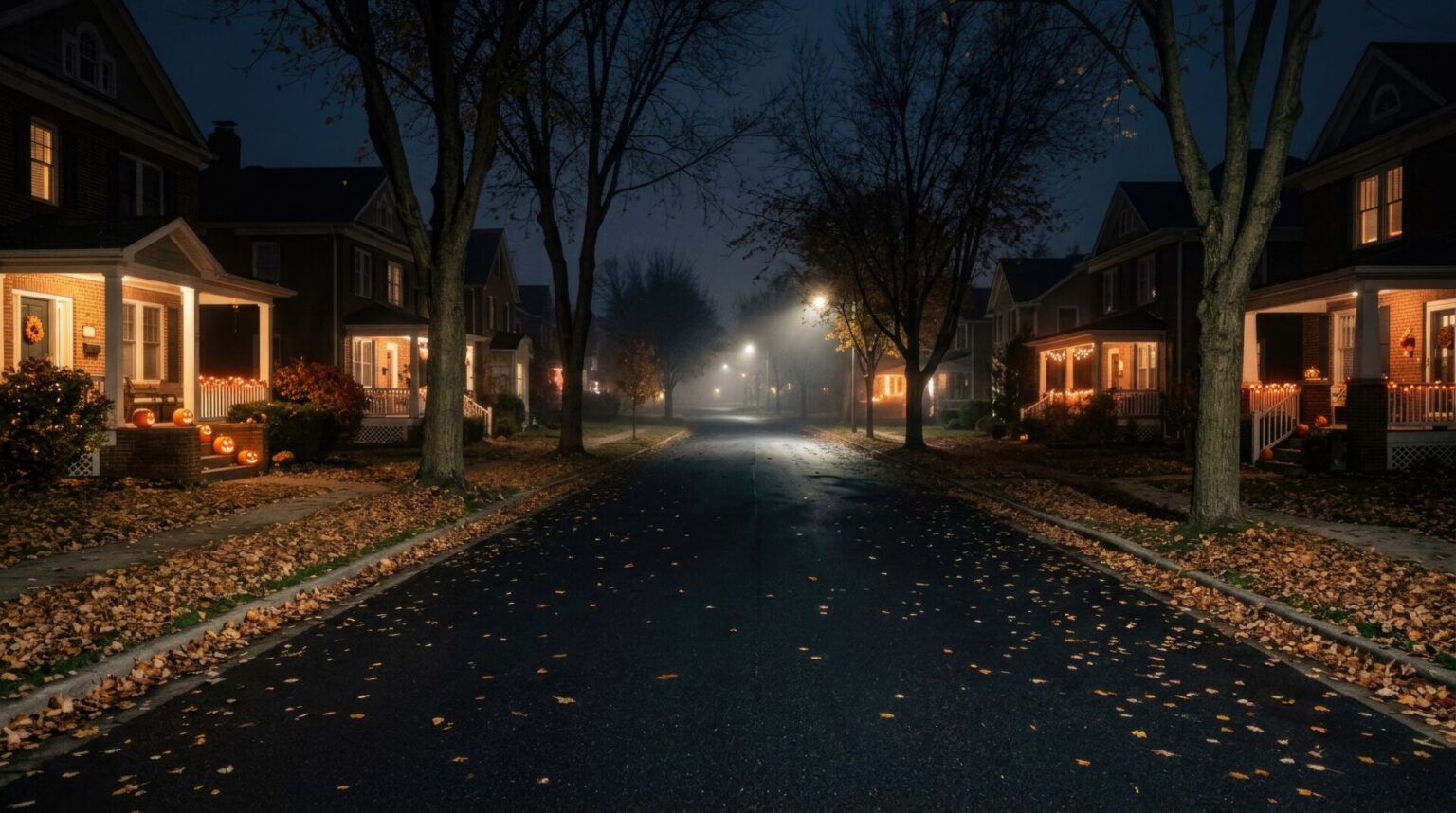
Quiet suburban street at night in autumn with many street lights and house lights on
The cost of artificial light
When birds are drawn into lit cities, two major threats emerge:
- Building Collisions: Disoriented birds collide with glass windows during the night or early morning as they seek shelter in urban reflection zones. An estimated **340 million to 1 billion birds** die in window collisions each year in the United States alone.
- Exhaustion: Trapped by bright beams, birds circle illuminated structures continuously, depleting the precious fat reserves needed to finish their multi-thousand-mile journey.
How you can help: Simple actions at home
You don’t need to manage a skyscraper to make a difference. Household lighting adjustments significantly lower collision risks in residential neighborhoods.
-
- Dim Non-Essential Lights: Turn off exterior lights between **11:00 PM and dawn** during peak migration months (August through November in the fall).
- Aim Fixtures Downward: Shield outdoor bulbs so light is directed toward the ground rather than upward into the night sky.
- Use Warm Bulbs: Choose warm-colored LED bulbs (under 3,000 Kelvin) and motion sensors for security lighting rather than continuous floodlights.
- Close Blinds and Curtains: Prevent interior indoor light from spilling outside through large windows.
- Apply Window Decals: For high-risk daytime glass, apply visual markers or window film spaced no more than two inches apart.
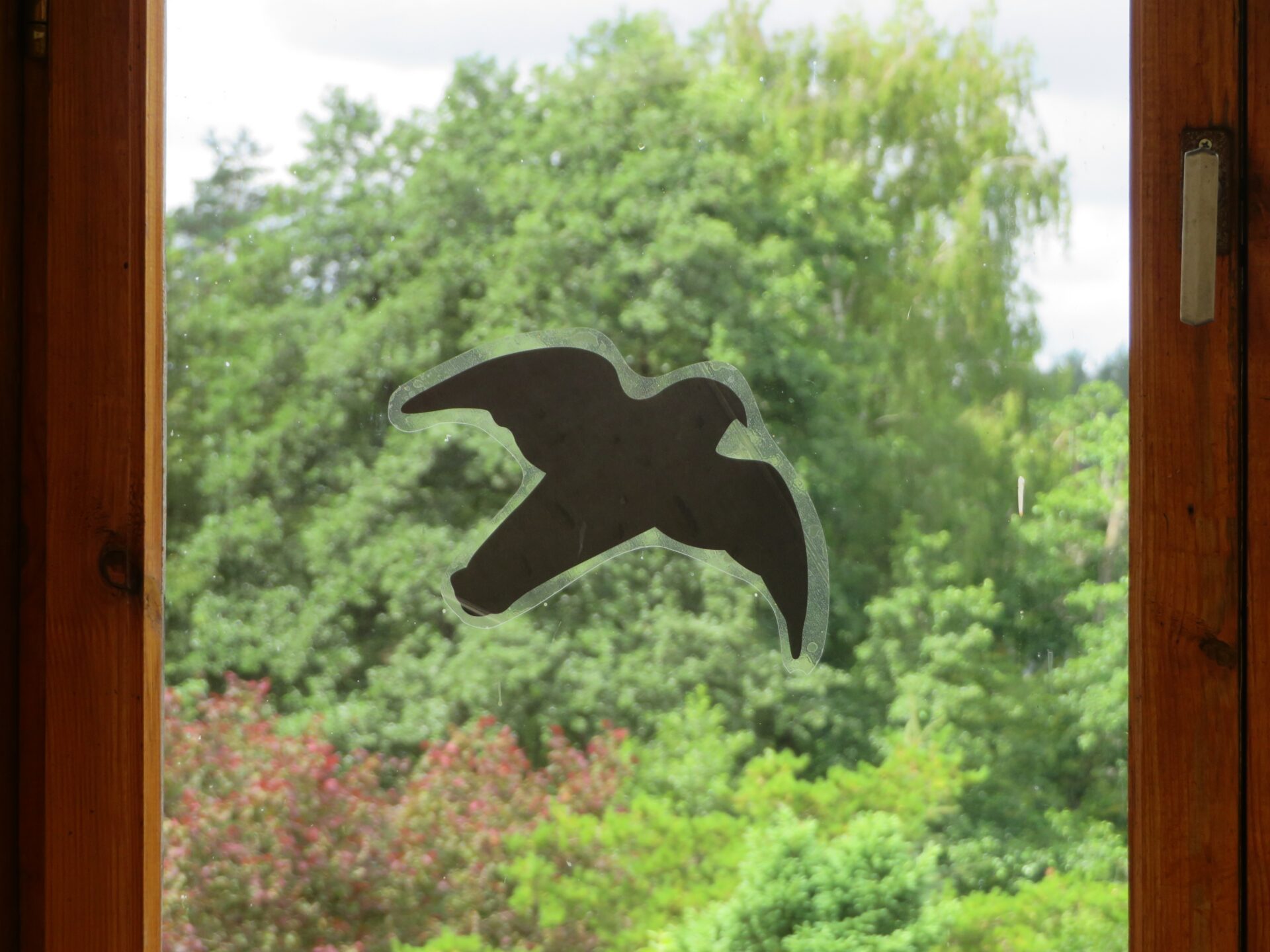
Window decals help prevent bird strikes
Community impact: Every switch counts
The “Lights Out” campaign started in Chicago and has spread to dozens of major metropolitan areas, including Philadelphia, Dallas, Atlanta, and New York City. Building managers, homeowners, and city planners who participate drastically reduce bird mortality rates along key flyways.
By flicking off non-essential lights tonight, you help ensure millions of songbirds safely reach their winter homes—returning to fill our skies and gardens again next spring.
Check out migration maps and see when your area is experiencing high levels of migration!