Smart camera bird feeders—like the Bird Buddy, Netvue Birdfy, and solar-equipped camera units—have taken the birding world by storm. With high-definition video, artificial intelligence that identifies species in real time, and instant smartphone notifications whenever a feathered visitor lands, they’ve transformed backyard birdwatching into an interactive hobby.
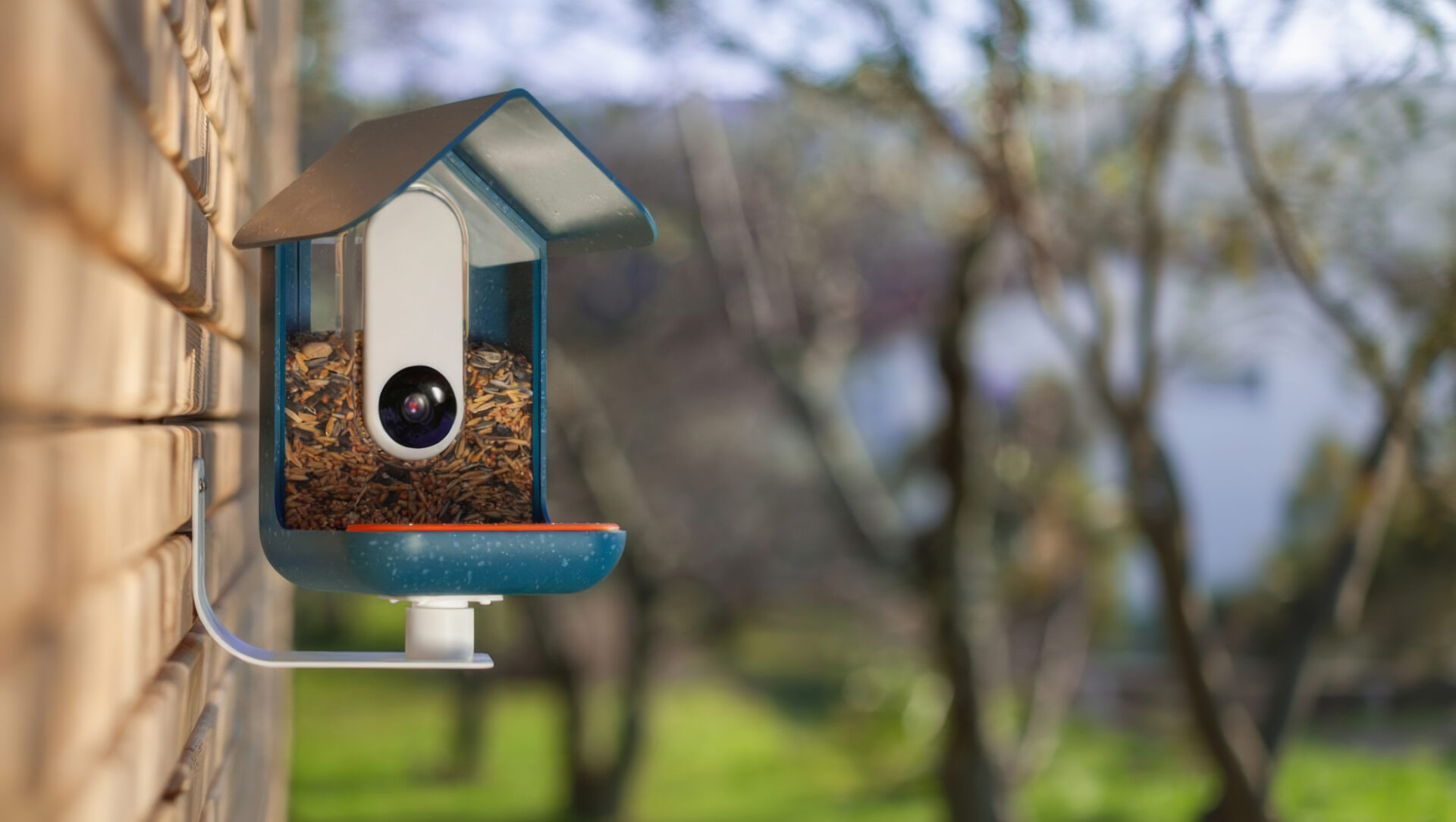
Smart bird feeder with built in camera mounted on a wooden wall, filling
However, with price tags ranging from $150 to upwards of $300, these high-tech devices represent a serious investment.
Before you click “Buy,” let’s take an honest look at whether smart feeders are worth the money, the biggest pain points owners face, and how you can protect your high-tech feeder from elements and pests.
The Good: Why Smart Feeders Are So Popular
If you love wild birds, a smart camera feeder offers an experience traditional feeders simply can’t match:
- Eye-Level HD Footage: Get stunning, close-up photos and crisp 2K video clips without having to freeze outside hiding behind a bush trying to sneak a picture.
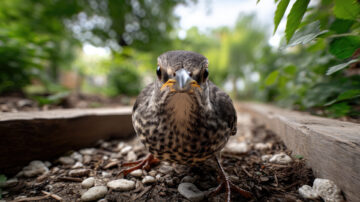
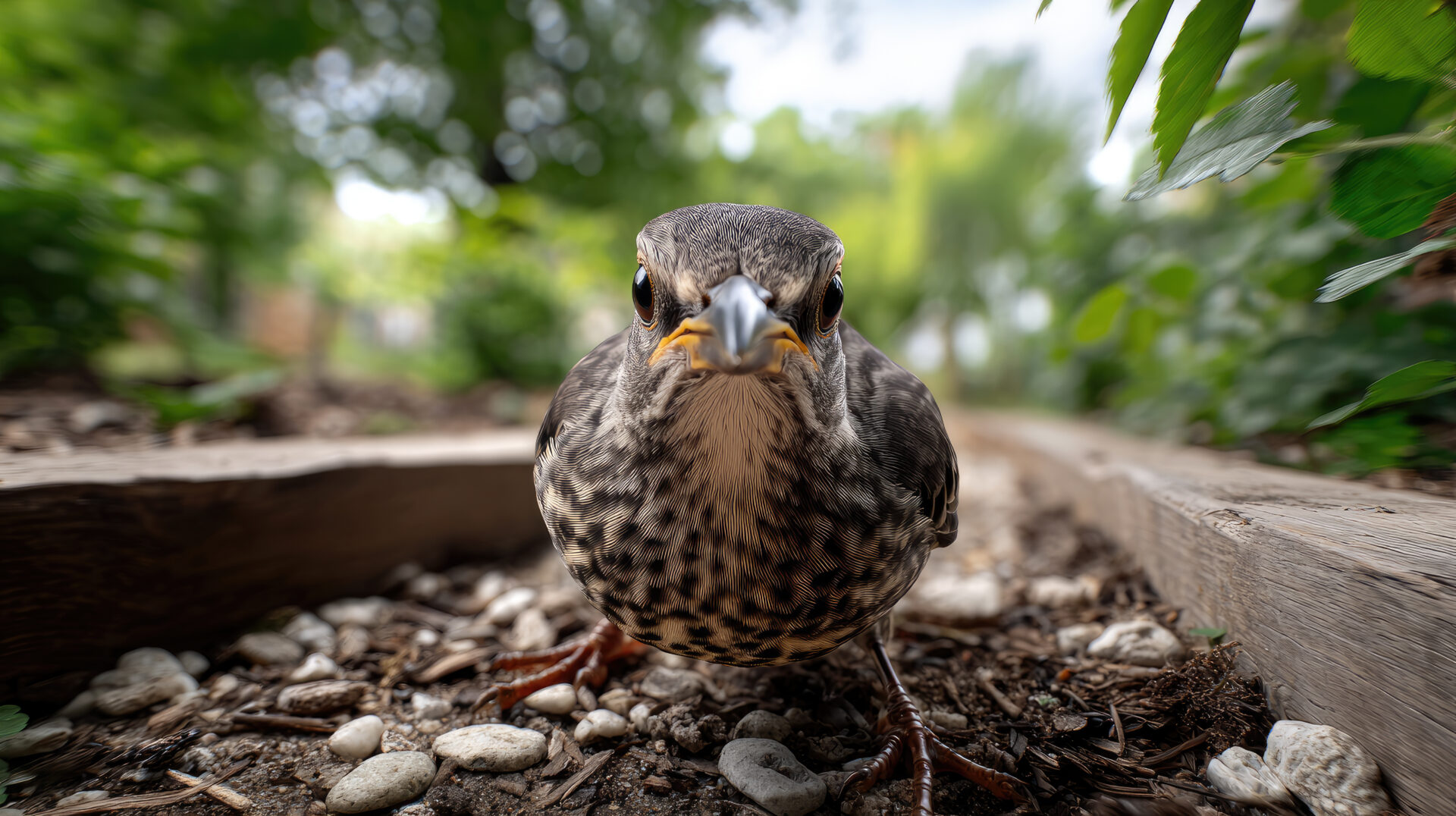
Young bird with striking patterned plumage closely approaching a camera.
- AI Species Identification: Great for beginners and seasoned birders alike, the built-in AI logs visits and builds a digital collection of species right in your smartphone app.
- Solar Integration: Solar roof options keep the internal batteries charged so you rarely have to scale a ladder in your pjs to charge it.
The Bad: The Two Biggest Pitfalls of Outdoor Electronics
Placing a micro-computer complete with cameras, battery packs, and Wi-Fi modules outside 24/7 creates unique vulnerabilities:
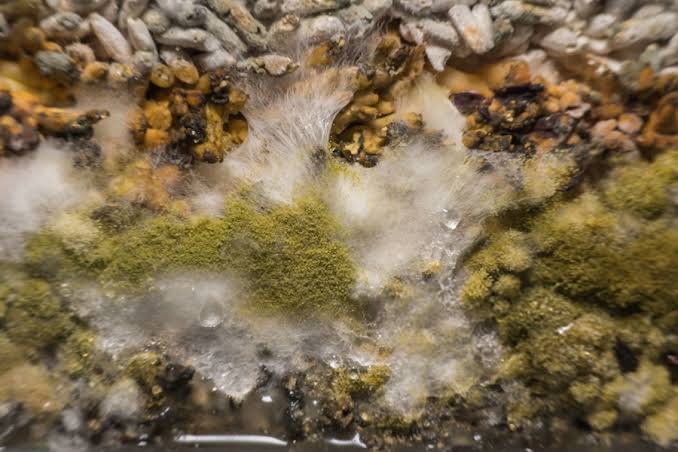
- Rain, Snow, and Wet Seed (a.k.a. “Seed Soup”): Heavy rain and damp snow do more than just fog your camera lens. Water entering the feed tray causes seeds to clump, sprout, grow toxic mold, and turn your expensive seed into an unappealing bowl of avian porridge. Clogged seed chutes and water exposure can ruin your feeding setup and create an unsanitary environment for visiting birds.
- Invasive Feeder Bullies (And App Alert Fatigue): Most smart feeders come with open, easily accessible perches. Aggressive, invasive species—most notably House Sparrows—quickly swarm the all-you-can-eat buffet.
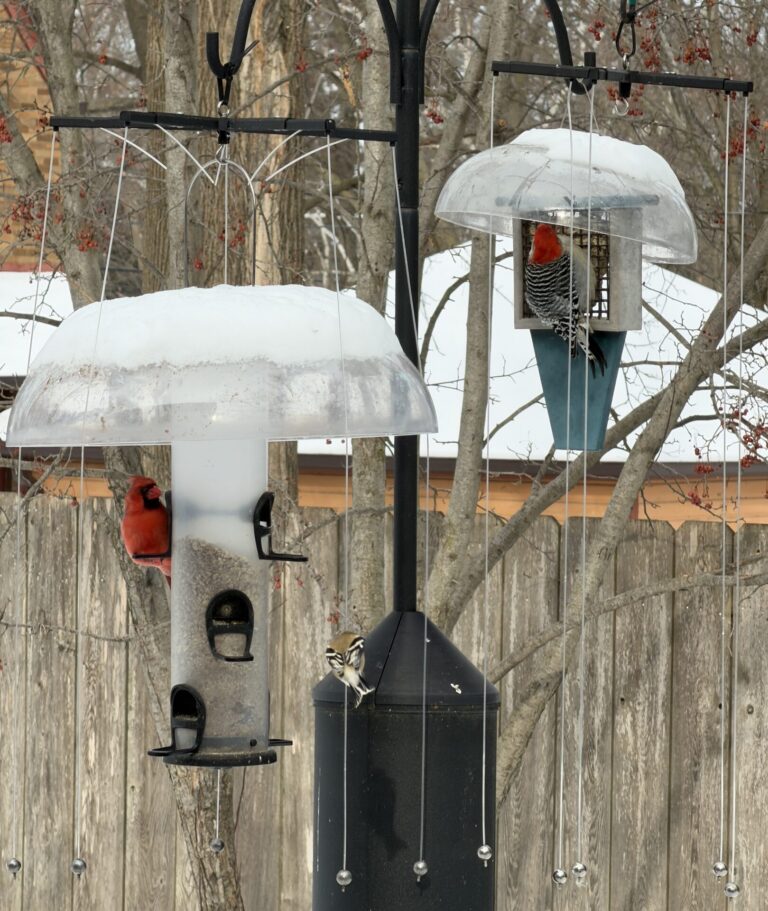
- When flock-forming bullies hijack your feeder:
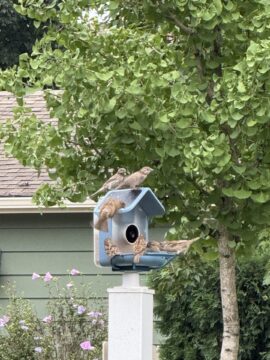
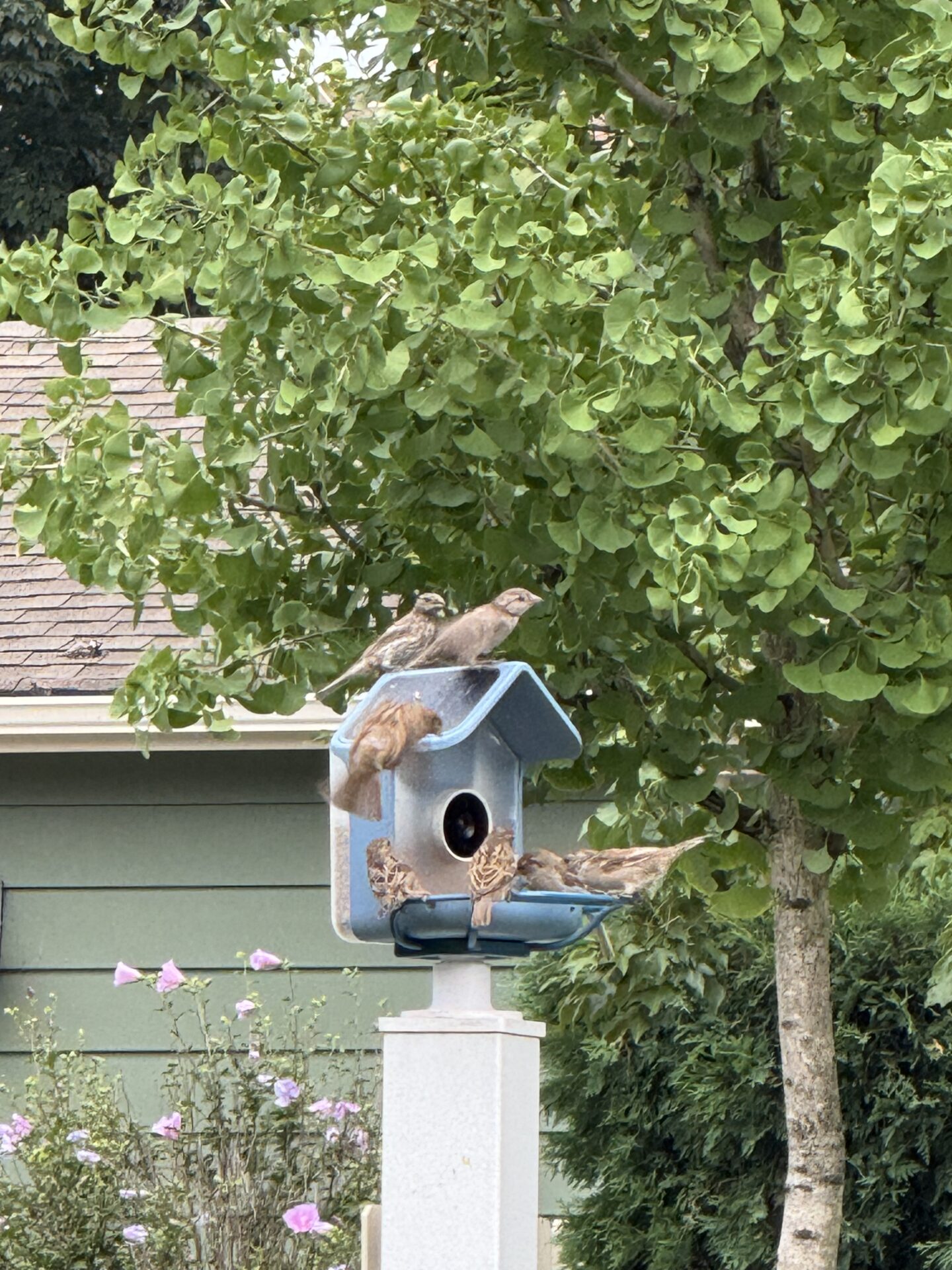
Swarm of HOSP on a smart feeder
- Native songbirds (finches, nuthatches, chickadees, and cardinals) are chased away.
- Your smartphone gets spammed with 50+ notifications a day letting you know that the exact same House Sparrow is eating you out of house and home.
- Camera battery life drains quickly on non-stop recordings of unwanted freeloaders.
How to Protect your Investment
If you’ve invested in a smart camera feeder, protecting your device—and keeping the focus on desirable backyard songbirds—is essential.
That’s where dedicated protective add-ons come into play:
Shielding Against the Weather: Rain-B-Gone!™
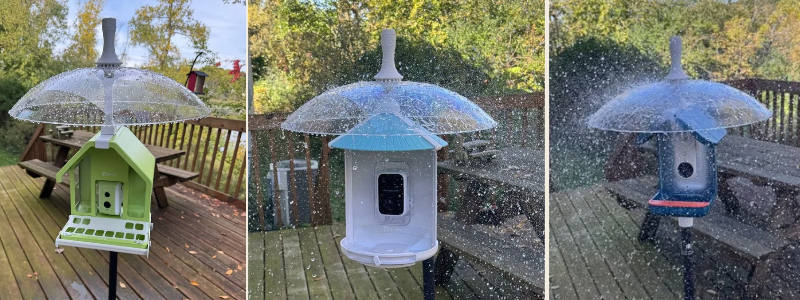
To keep your smart feeder running smoothly year-round, adding a weather shield like Rain-B-Gone!™ is a game changer, because no one likes soggy seed. Designed specifically for smart camera feeders and traditional setups, Rain-B-Gone! shelters the seed tray and camera housing from rain and heavy snow. It ensures your seed stays dry, prevents mold, and keeps the camera lens clear for crisp photos regardless of the forecast.
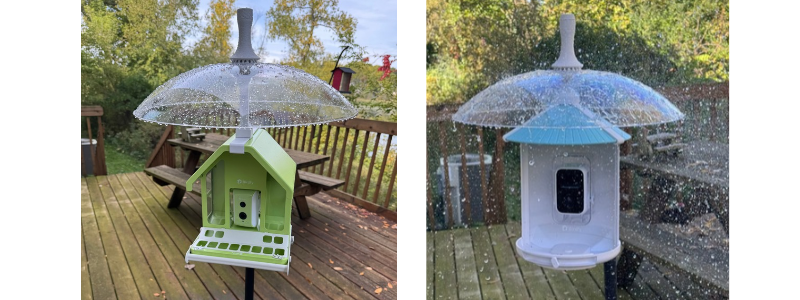
Halting House Sparrows: Sparrow-B-Gone!™
Ready to send those pushy house sparrows packing? The Sparrow-B-Gone!™ provides a proven, non-harmful repellent solution based on bird behavior research. Using weighted monofilament cords hung around the perimeter, it creates an invisible boundary that deters aggressive House Sparrows—who get jittery around closely spaced lines—while allowing native songbirds to dine in peace.
When combined with Rain-B-Gone!, the Sparrow-B-Gone! top mounts neatly on top of the weather shield via a quick-release adapter, giving you an all-in-one fortress of bird-feeding perfection.
The Verdict: Are Smart Feeders Worth It?
Yes—provided you don’t leave them at the mercy of weather and winged hooligans.
A smart camera feeder offers unbeatable views of local wildlife, but taking a few proactive steps to keep seed dry and deter aggressive House Sparrows ensures your $200+ investment delivers clear, glorious shots of colorful songbirds for years to come.