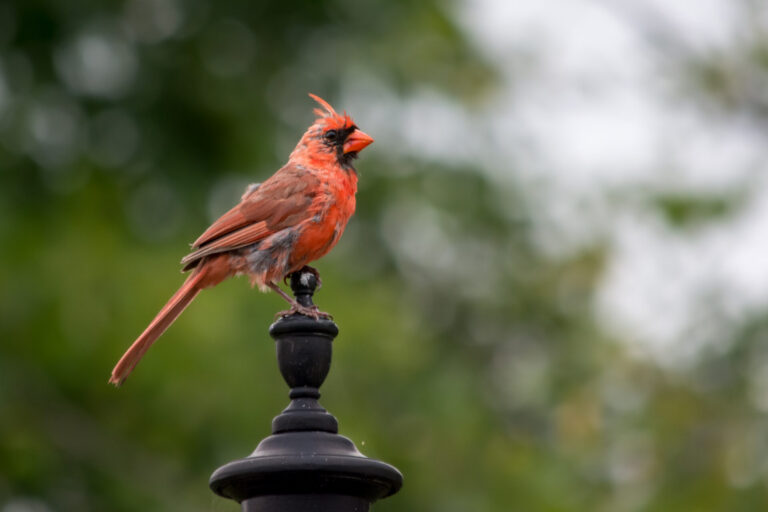
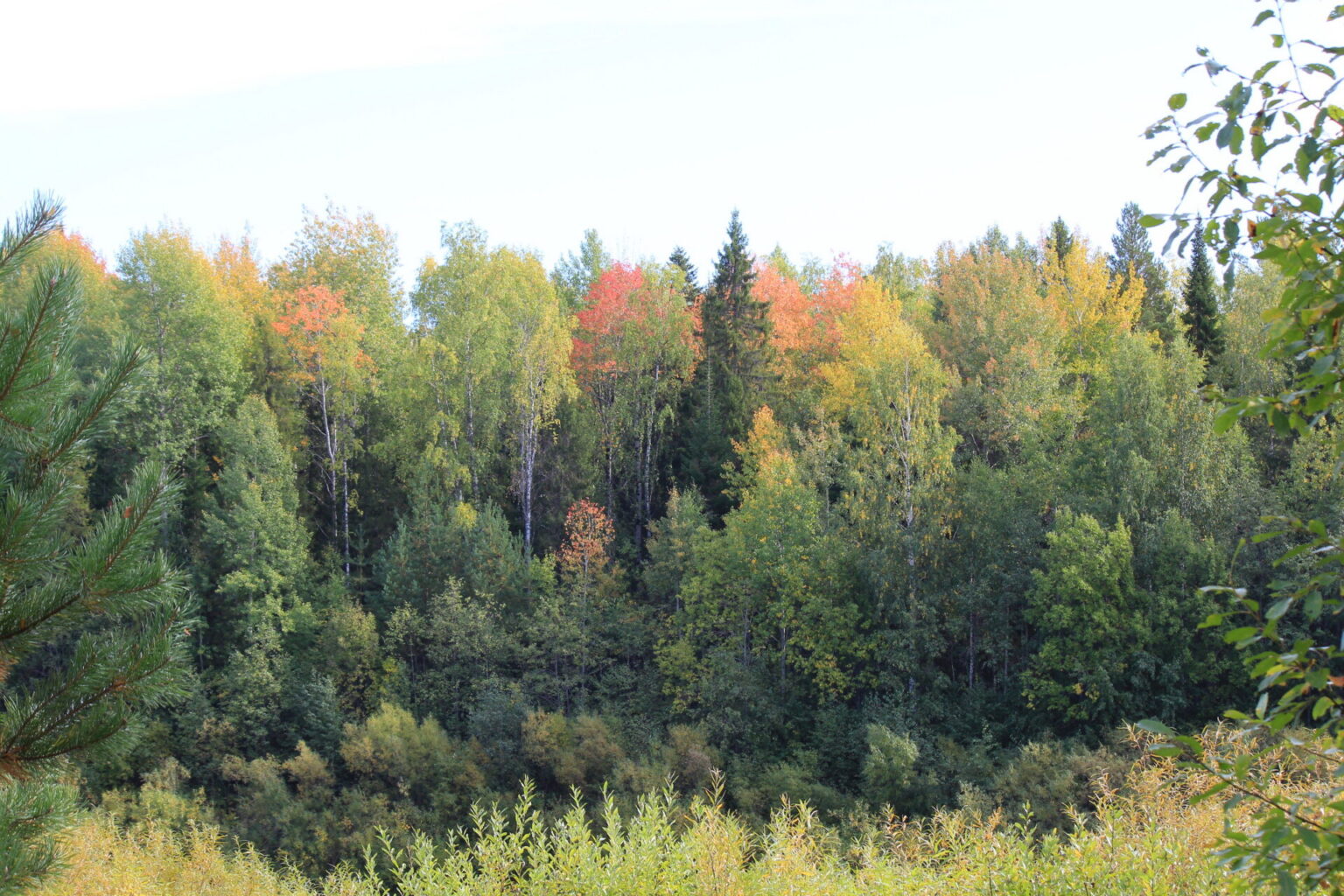
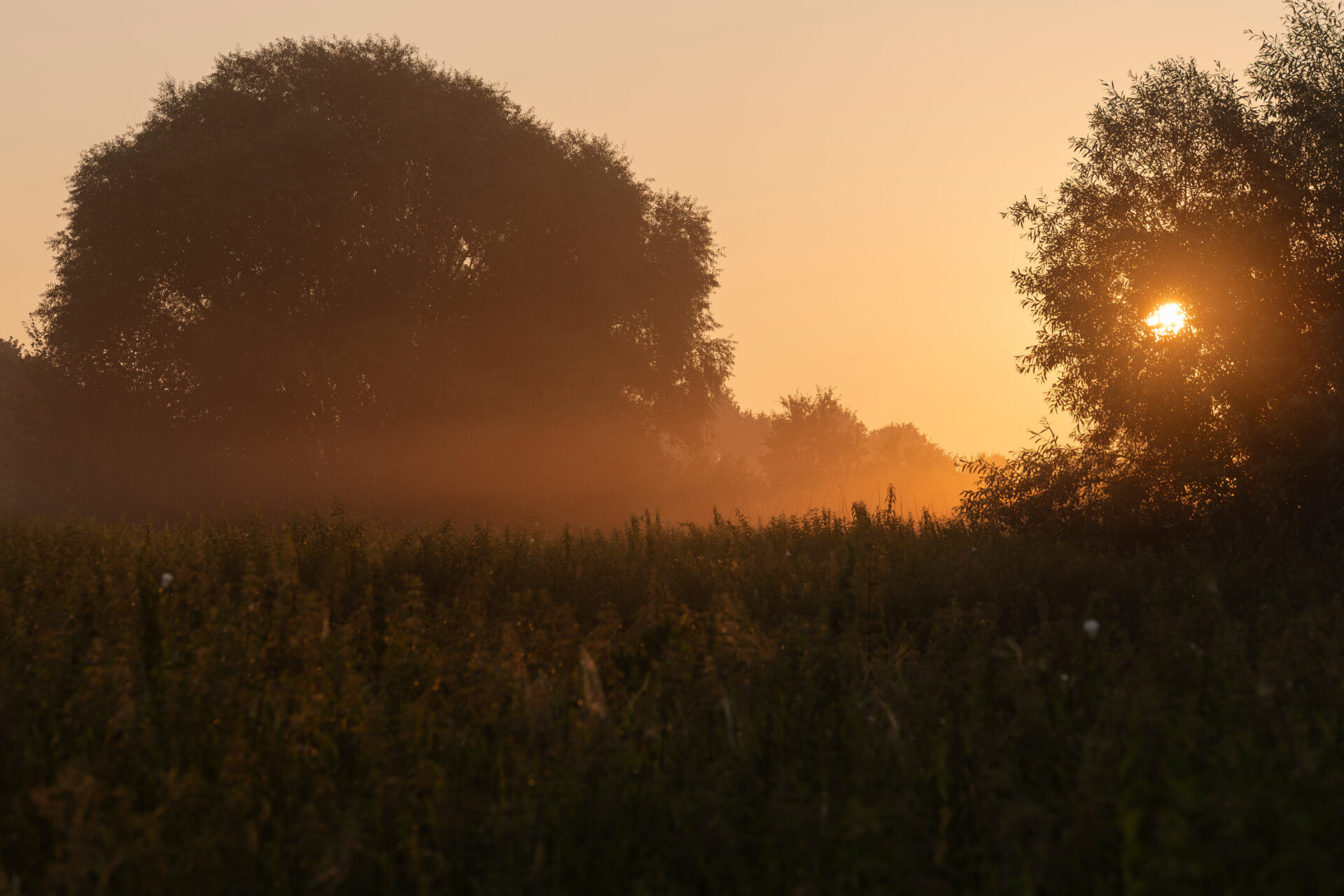
As late-summer golden hour settles over the yard and fledglings take their first confident flights, autumn is just around the corner. While we often think of bird feeding as a winter activity, late summer and early fall are critical transition times for wild birds.
Migratory species are fueling up for long journeys south, while resident birds are caching food and seeking cozy shelters for crisp autumn nights. Performing a thorough end-of-summer cleanup of your birdhouses and feeders keeps your yard healthy, safe, and inviting.
Follow this quick weekend maintenance guide to get your backyard bird sanctuary ready for fall!
1. Birdhouse Cleanup & Winter Conversion
By late summer, most nesting boxes have seen their last brood of the season flee. Empty, uncleaned birdhouses can harbor parasites, mites, and bacteria that linger through winter.
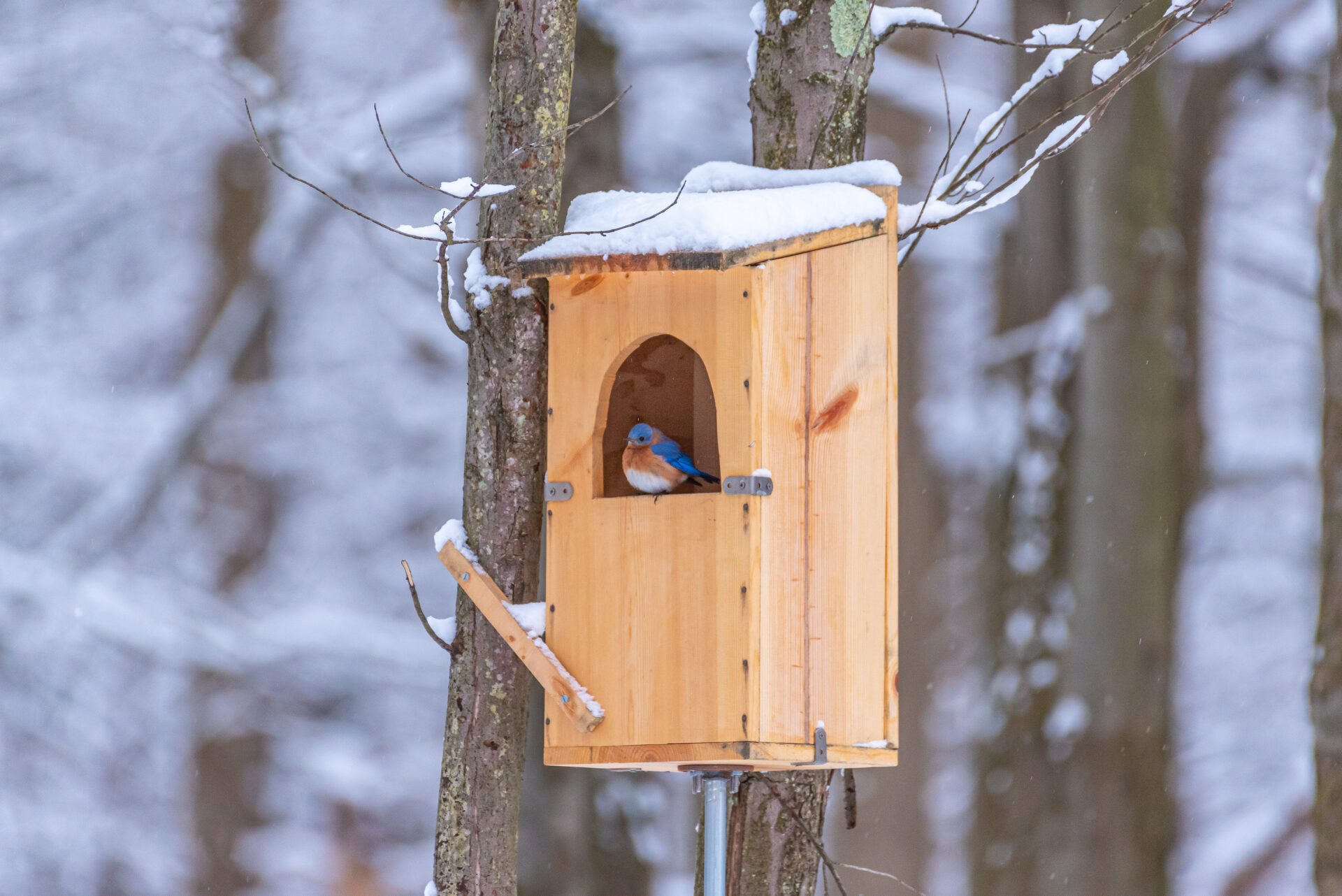
Bluebirds huddle in nesting boxes for warmth in cold months
- Clear Out Old Nests: Open the clean-out panel and completely remove old nesting material. Compost or discard it far from the box to prevent parasites from crawling back.
- Scrub & Disinfect: Wash the interior with a solution of 1 part white vinegar to 9 parts water (or a very mild bleach solution). Avoid harsh detergents. Use a stiff brush to clear out corners.
- Air Dry Fully: Leave the access door open in direct sunlight for a full day so the wood dries completely to prevent mold.
- Convert for Winter Roosting: Don’t take those boxes down! Many cavity-nesters—like bluebirds, chickadees, and nuthatches—use birdhouses as roosting spots to huddle together for heat during freezing winter nights.
2. Deep-Clean Your Bird Feeders
Late-summer humidity and sudden thunderstorm pop-ups can trap moisture inside feeders, leading to clumping, mold, and dangerous fungal growth (like Aspergillus).
Tube & Tray Feeders
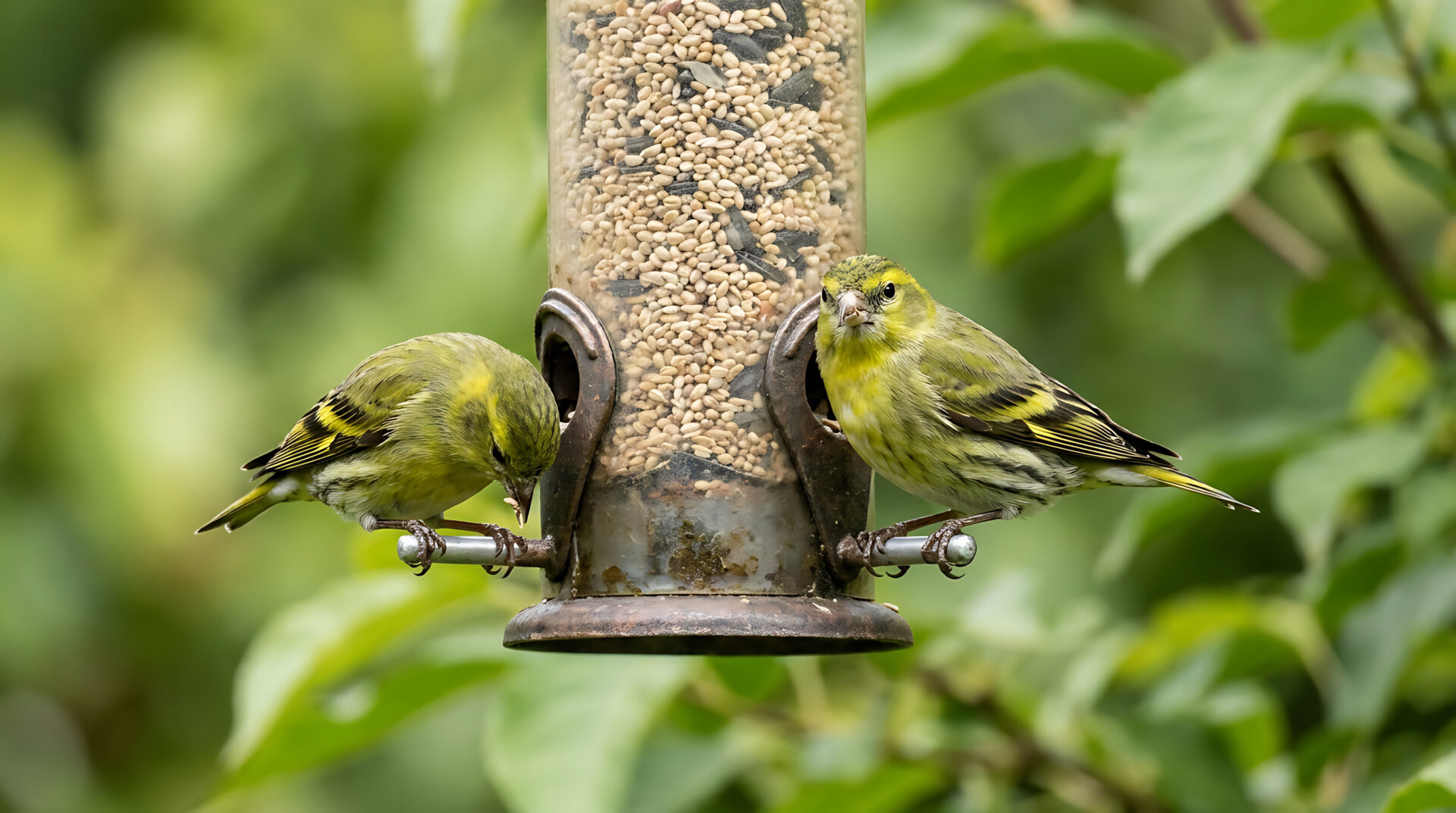
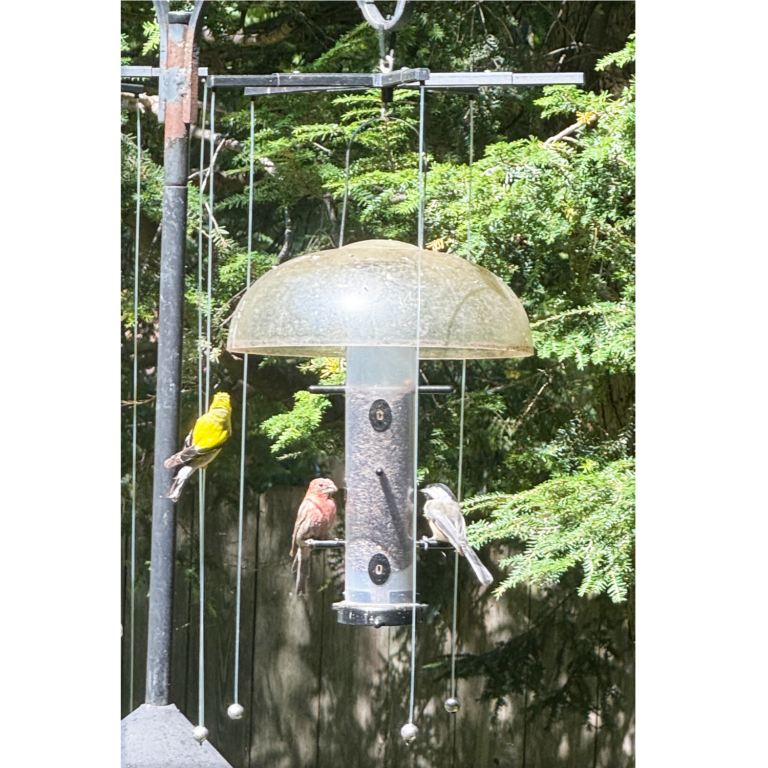
Eurasian Siskins enjoying seed from a tube feeder
- Empty Remaining Seed: Dump out any leftover seed—if it’s damp or clumped, throw it in the trash, not on the ground.
- Soak & Scrub: Submerge disassembled feeders in warm, soapy water or a diluted vinegar solution. Use a tube-brush to reach the bottom seams and feeding ports.
- Dry Thoroughly: Moisture is the enemy of fresh seed. Let all components dry completely in the sun before refilling.
Hummingbird Feeders
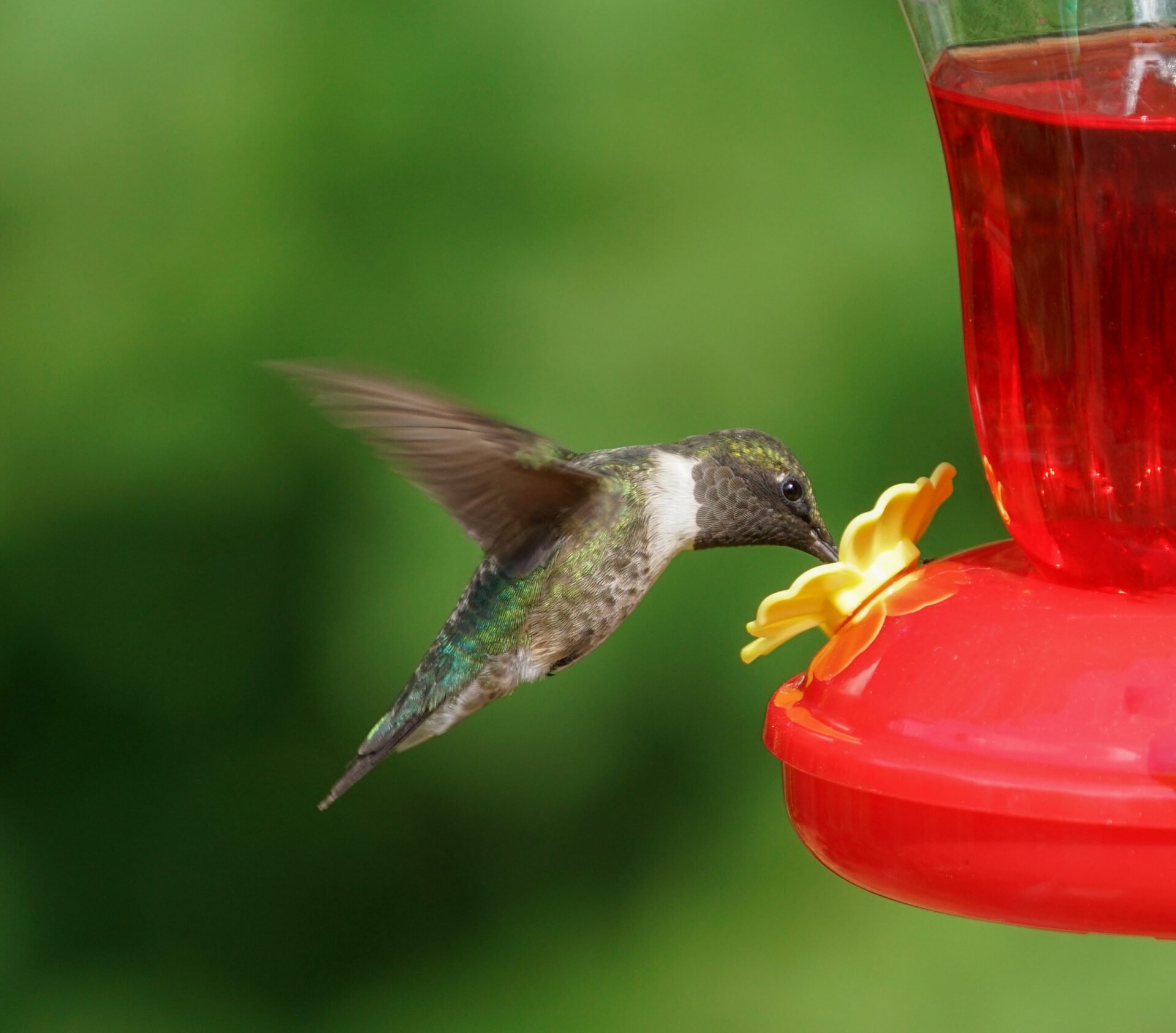
Ruby throat hummingbird at feeder
As nectar-loving travelers prepare for migration, their energy needs skyrocket! However, hot late-summer temperatures cause sugar water to ferment in as little as 24 to 48 hours.
- Wash feeders every 2 to 3 days with hot water and a small bottle brush.
- Avoid soap if possible (residue can harm birds); use hot water and vinegar instead.
- Keep feeders filled with fresh 4:1 water-to-sugar nectar until at least two weeks after you spot your last hummer.
3. Water Source Checkup
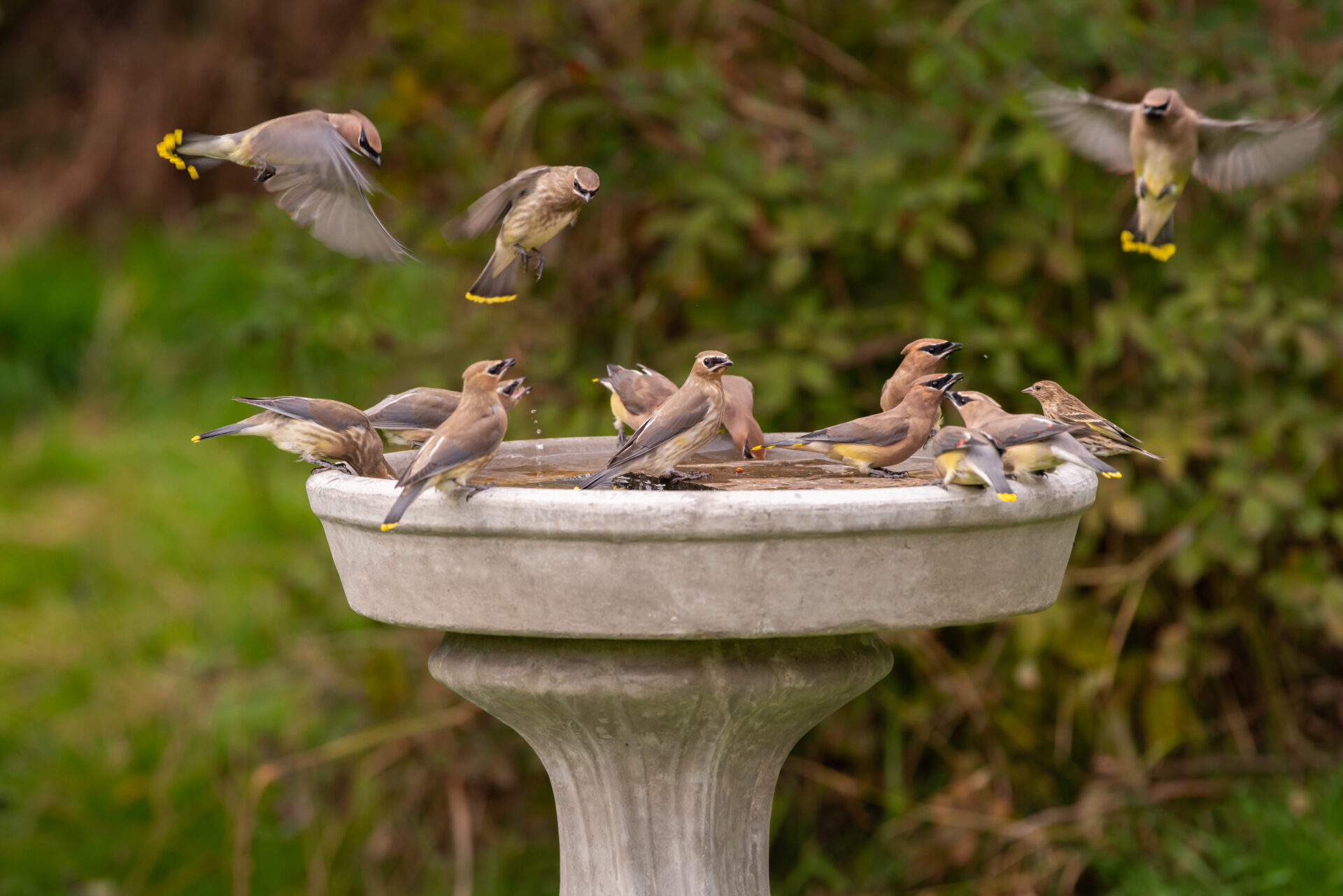
Cedar Waxwings at the birdbath
A clean birdbath is just as important in September as it is in July.
- Scrub Away Algae: Late-summer sun breeds green algae fast. Scrub the basin with a stiff brush and vinegar.
- Fresh Water Daily: Dump and refill water daily to prevent mosquito breeding.
- Plan Ahead for Frost: Check your birdbath heater or heated basin now to make sure cords and heating elements are in working order before the first fall freeze hits.
4. Fall Seed Menu Refresh
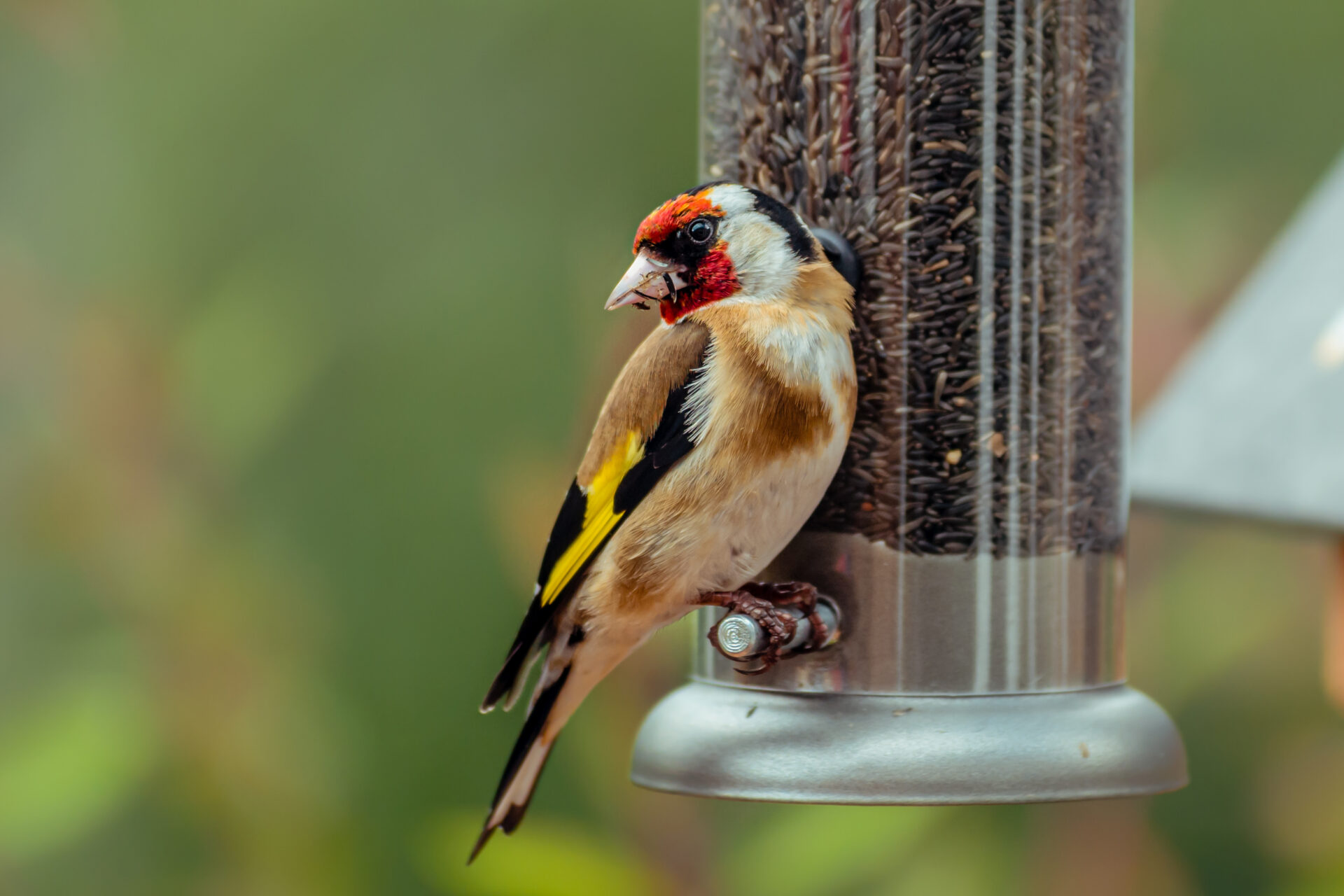
Eurasian goldfinch perched on a nyjer seed tube feeder
As the weather turns, birds’ nutritional needs shift from high-protein (bugs for growing fledglings) to high-fat and high-calorie foods.
- Switch to High-Fat Foods: Start introducing black oil sunflower seeds, suet cakes, shelled peanuts, and nyjer (thistle) seed.
- Check Your Storage: Inspect your bulk seed bins in the garage or shed. Ensure they are airtight and check for moth larvae, mold, or rodent activity.
Share Your Backyard Visitors!
Is your yard prepped for the fall migration wave? What species are you spotting at your feeders this week? Drop a comment on our Facebook page!