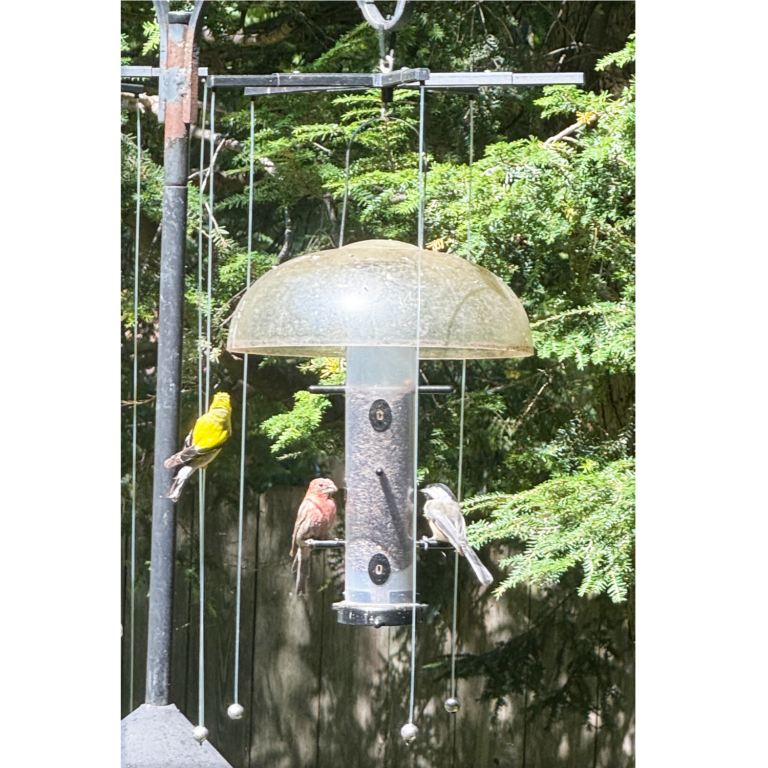
Why a sparrow spooker is not working on a caged bird feeder.
At Sparrow-B-Gone!, we pride ourselves on a very high success rate. Over the last two years, we’ve sold more than 2,200 products, and we can count the number of reported “failures” on one hand.
So, when a customer recently spotted what looked like a failure in their backyard, we had to investigate.
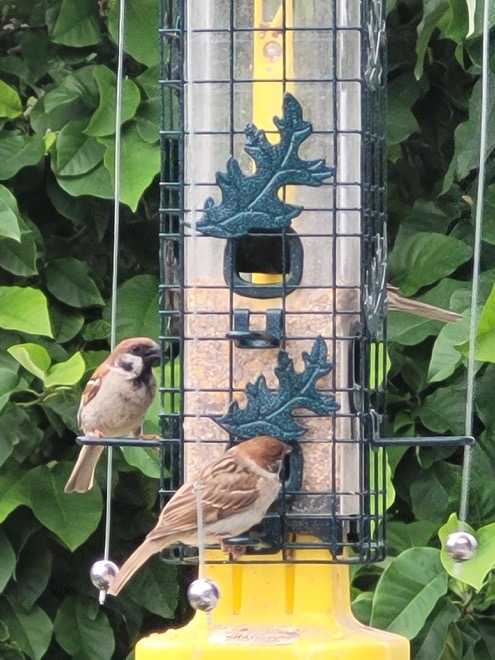
She captured a photo of two sparrows casually perched on a wire-caged tube feeder, completely unbothered by the 250 lb. test deep-sea fishing lines and stainless steel weights of our Sparrow-B-Gone! spooker. It looked like the House Sparrows (HOSPs) had won.

Eurasian Tree sparrows were undeterred by Sparrow-B-Gone
But as it turns out, this “fail” taught us two incredible lessons about bird behavior, optical illusions, and how to get the most out of your spooker.
Lesson 1: The case of mistaken identity (a welcome guest!)
After sharing the photo on social media, a few astute birders in our community pointed out something we completely missed in our initial frustration: The birds on the feeder weren’t House Sparrows at all. They were Eurasian Tree Sparrows!
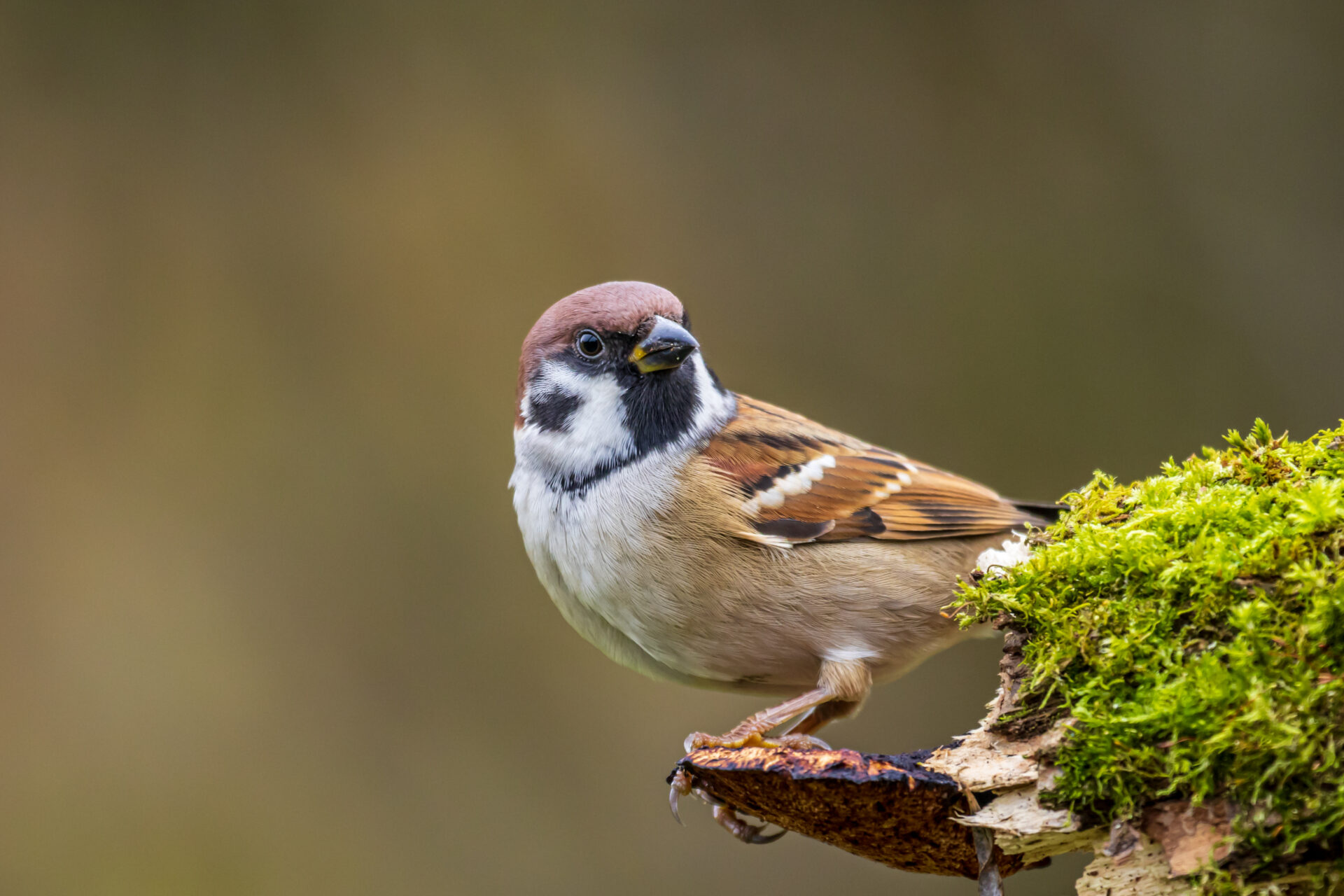
Cute Eurasian tree sparrow sitting on a mushroom on a mossy log
While they look incredibly similar to House Sparrows to the untrained eye, Eurasian Tree Sparrows are a completely different species—and a welcome guest for many backyard birders! Because Sparrow-B-Gone! is highly calibrated to deter the specific, aggressive behaviors and visual triggers of House Sparrows, our “fail” was actually a massive win. The product didn’t scare off the desirable native birds.
Lesson 2: The “cage illusion” (when feeder design blocks the spooker)
Even though our backyard birds turned out to be friendly guests, the photo highlighted a real technical challenge that does occasionally cause issues for actual House Sparrows: Caged bird feeders.
Out of the very few returns we’ve ever received, almost all of them involved hanging tube feeders surrounded by a wire cage. Here is why House Sparrows can sometimes bypass a spooker in this specific setup:
1. The vertical bar illusion
House Sparrows that have already mastered navigating through a wire cage are used to vertical lines. When you add the clear, reflective hanging cords of a Magic Halo-style spooker, the cords can visually “blend” right into the vertical bars of the cage. Because of a sparrow’s specific depth perception, the novelty of the moving lines is lost.
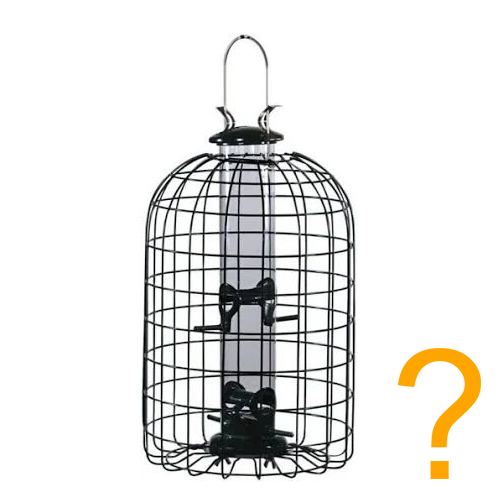
We don’t guarantee that Sparrow-B-Gone will work on this style of feeder.
2. The flight path angle
In a typical setup, sparrows fly in from the side, forcing them to encounter the moving cords. However, we’ve found that if a caged feeder is hung over an access point (for example, three feet above a deck railing), clever sparrows will land on the railing and fly straight up into the cage from underneath, completely bypassing the cords’ field of view.
How to optimize your setup for success
If you are using a Magic Halo or Sparrow-B-Gone! style spooker with a cage-protected feeder, or if you think your local sparrows are outsmarting the system, here are two quick fixes to restore peace to your yard:
-
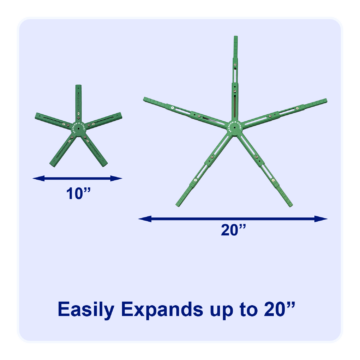
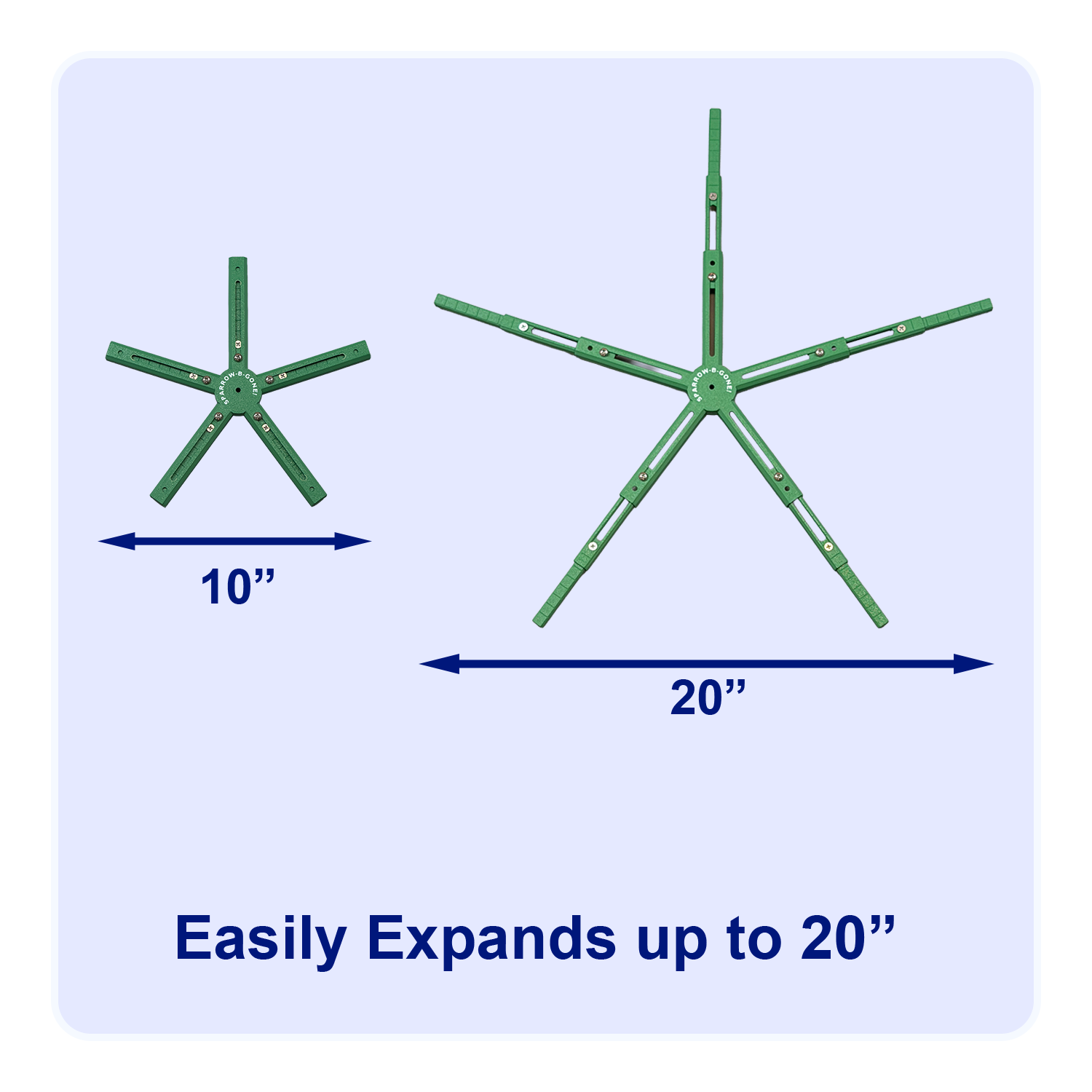
Widen the stance: Sparrow-B-Gone! products are adjustable. If you are using a caged feeder, spread the cords out much wider than the cage itself. Breaking that parallel line illusion makes the cords visible and intimidating to HOSPs again.
-
Watch the launch pad: Ensure your feeder isn’t hanging directly above a deck railing, patio table, or low branch. Forcing the sparrows to fly in from the side ensures they have to face the spooker lines head-on.
Mistakes happen—even to the pros! But whether it’s a case of mistaken bird identity or just a minor setup tweak, understanding how these birds see the world is the secret to keeping your feeders safe.
Have you ever mistaken a Eurasian Tree Sparrow for a House Sparrow? Or discovered a clever workaround for your feeder setup? Let us know!